Skip to content


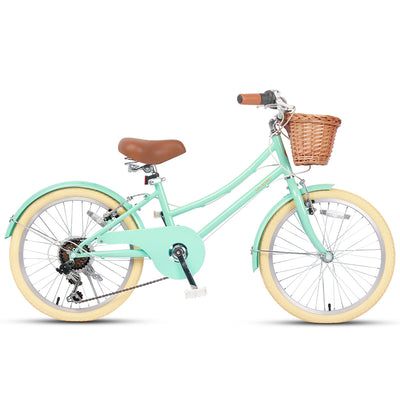


Table of Contents
The best bikes for kids fit them now, feel easy to control, and suit where they ride. A toddler learning balance needs something different from a child riding to school or exploring trails. This guide helps you choose the right style, check the fit, and plan for the full cost.
Best Bikes for Kids by Riding Need
Start with your child’s skills and usual route. A bike that works on the driveway may not be right for a dirt trail or a longer family ride.
Best Bikes for Toddlers
A balance bike lets a toddler practice steering and gliding without managing pedals. When comparing the best toddler bikes, look for a low seat that allows both feet to rest on the ground and a bike the child can move independently. Some toddlers are ready for pedals sooner. Watch whether your child can steer, follow simple directions, and stop when asked. Keep early rides in a flat area away from traffic.
Best First Pedal Bikes

A first pedal bike should be simple to start and stop. Reachable brakes and a comfortable fit matter more than extra gears.
For a child ready to pedal, the glerc little molly makes neighborhood practice feel inviting. Its smaller sizes include removable training wheels, an enclosed chain guard, and adjustable seat and handlebars. A coaster brake offers a familiar way to stop, while the front hand brake lets kids practice a new skill. The wicker basket has room for a favorite toy or snack.
Best for Neighborhood and School Rides
Neighborhood rides mean plenty of starts, turns, and stops. A bike that feels easy to handle and simple to pedal lets kids focus on the ride, whether they are heading to the playground or joining a supervised ride to school.
For kids who already ride independently, the glerc nova brings those qualities together. Its lightweight aluminum frame is easy to maneuver, while the single-speed belt drive keeps pedaling straightforward and helps keep chain grease off school clothes. Front and rear V-brakes give riders control at frequent stops. With 18-, 20-, and 24-inch options, families can choose a size that fits their child’s next neighborhood adventure.

Best Kids Mountain Bikes for Trails
The best kids mountain bikes match the trail, not just the look of a mountain bike. Packed dirt and beginner trails call for tire grip, useful gears, and brakes the rider can control.
For families moving beyond pavement, the glerc apex offers 20- and 24-inch sizes, Shimano seven-speed gearing, disc brakes, and front suspension. That setup suits gravel paths and easier trails with small bumps and climbs. Check the rider’s height and brake reach before ordering; Apex is not intended for technical downhill riding.

Best for BMX and Pump Tracks
Kids interested in pump tracks and basic BMX skills need a bike they can maneuver while standing on the pedals. Check frame fit, brake reach, and the rules at your local park.
A BMX-style neighborhood bike is not necessarily built for jumps. A true freestyle BMX bike, meanwhile, may feel less comfortable on long family rides. Choose for the riding your child actually plans to do.
How to Choose the Best Kids Bike
Even a list of the best kids bikes cannot tell you how a model will fit your child. Use measurements to narrow your options, then check control in person when possible.
Find the Right Wheel Size
Kids’ bikes are labeled by wheel diameter, such as 12, 16, 20, or 24 inches. Measure height and inseam, then use the chart for the exact model. Bikes with the same wheel size can have different seat heights and handlebar reach.
The glerc size guide offers a starting point. If your child falls between sizes, favor the one they can confidently control now rather than buying excessive growing room.
Check Fit and Brake Reach
Have your child stand over the bike, sit on it, and hold the grips. They should reach the handlebars and brake levers without stretching. A new rider also needs to put a foot down confidently when stopping.
Watch them start, turn, and brake. The best kids bike is the one they can handle today, not the largest size they might use next year.
Choose a Bike They Can Handle
Weight matters when a child starts from a stop, turns slowly, or picks up the bike after a fall. Compare the weight of complete bikes, including accessories.
Let your child walk the bike and turn it before riding. A basket or suspension fork may be useful, but it should not make the bicycle difficult for them to manage.
Match Gears and Tires to the Ride
Single-speed bikes work well on flat neighborhood streets. Gears become more useful on hills or longer rides, provided the child can shift without losing control.
Smooth tires suit pavement; treaded tires add grip on dirt. Occasional park paths do not automatically require suspension. Fit, brakes, and tires should come first.
What Does a Kids Bike Really Cost?
The purchase price is only one part of the budget. Check what is included and what you will need after the bike arrives.
Bike Price and Assembly
Compare shipping charges, included accessories, and assembly requirements. A partly assembled bike still needs its brakes, wheels, handlebars, and fasteners checked before the first ride. If you cannot do that confidently, budget for a bike-shop inspection.
Safety Gear and Accessories
Start with a properly fitted bike helmet. You may also need a lock, bell, or lights, depending on where the bike is stored and ridden. Check the product page first so you do not pay twice for included items.
Maintenance and Repairs
Tubes, tires, brake pads, and chains wear over time. Geared bikes may need occasional shifting adjustments. Leave room in your budget for replacement parts or a shop visit, especially if your child rides regularly.
How to Care for a Kids Bike
A quick check before riding can catch small problems early:
-
Check the tires: Inflate them within the pressure range printed on the sidewall and look for damage.
-
Test the brakes: Make sure your child can stop the bike reliably before leaving home.
-
Check for loose parts: Look over the wheels, handlebars, saddle, and pedals.
-
Clean and store it: Wipe away dirt and follow the bike’s instructions for chain or belt care.
Bike Safety Tips for Kids
A good bike helps, but learning how to ride a bike also takes practice and an appropriate place to ride. The National Highway Traffic Safety Administration recommends building skills away from trffic first.
-
Wear a bike helmet every ride: It should sit level and low on the forehead, with the straps adjusted around the ears.
-
Practice stopping at crossings: Teach kids to stop and look left, right, then left again before entering a street.
-
Choose routes together: Supervise younger riders near driveways and intersections, and check local sidewalk rules.
-
Stay within their skills: Being able to pedal on a driveway does not mean a child is ready for traffic or difficult trails.
Conclusion
The best children's bicycles fit the rider’s current size and skills. Choose the riding style first, confirm the child can start and stop confidently, then compare features and total cost. A bike they enjoy riding now is worth more than one they may grow into later.
FAQ
What Is the Best Bike for a 7-Year-Old?
Many 7-year-olds ride an 18- or 20-inch bike, but a taller child may fit a 24-inch model. Measure height and inseam, then check the specific bike’s fit and brake reach.
Should I Get My 5-Year-Old a 16- or 20-Inch Bike?
A 16-inch bike is the more likely starting point. Consider a 20-inch bike only if your child fits its size chart and can start, turn, and stop without stretching.
Is a 24-Inch Bike Too Big for a 7-Year-Old?
For many children, yes, though a tall, confident 7-year-old may fit one. Check stand-over space, handlebar reach, and stopping ability rather than choosing by age.
Is a 20-Inch Bike Okay for a 10-Year-Old?
Yes, if it still fits comfortably. If the saddle is near its limit or the child looks cramped while pedaling, compare 24-inch options.
What Are the Best Kids Bikes?
They are bikes your child can control on their usual route. Prioritize current fit, reachable brakes, manageable weight, and tires suited to where they ride.


GLERC creates stylish, durable kids bikes designed to help families ride together with confidence. From sizing guidance to assembly support, our team shares practical advice to make every ride safer and more fun.