Skip to content


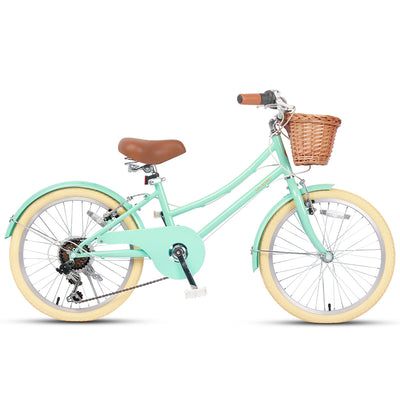


Table of Contents
ach age, key safety features, and common buying mistakes. It also provides an actionable shopping list. This will help you avoid typical traps like buying a size too big, ensuring your child feels confident on their very first ride.
What Makes a Good Toddler Bike
A proper toddler bike is not just a scaled-down adult bike. Its design centers on three key features: a low center of gravity, a lightweight frame, and easy control. Toddlers have much less leg strength, grip strength, and slower reaction times than older kids. Because of this, the total bike weight should stay under 40% of your child's body weight. This aligns with riding guidelines from the American Academy of Pediatrics. Also, the frame geometry must allow your child to plant both feet flat on the ground. The standover height should be at least 1 to 2 inches shorter than your child's inseam. This key measurement ensures they can stabilize themselves safely during a sudden stop.
Toddler Bike Size Guide by Age
Age is just a reference point. Your child's height and inseam actually determine the right bike size. The table below combines years of research data from Glerc with pediatric ergonomic measurements. Parents can use this as a quick reference guide.
|
Age Group |
Recommended Wheel Size |
Height Range |
Inseam Reference |
Bike Weight Reference |
|
2 years old |
12 in |
33-39 in |
13-16 in |
~ 21 lbs |
|
3 years old |
12-14 in |
35-46 in |
15-19 in |
21-23 lbs |
|
4 years old |
14-16 in |
38-53 in |
17-21 in |
23-26 lbs |
After finding the general range, let's look closer at how each size fits by age group.
Best Bike Size for 2 Year Olds
A two-year-old is just learning to run steadily. Their balance and attention span are still in the early stages of development. A 12-inch wheel size is the only realistic option. At this stage, look for a model with removable training wheels. The seat post should lower to around 14 inches. This ensures your child can plant both feet flat on the ground when standing over the frame. Pushing for riding without training wheels too early can backfire. If your child falls, they might resist riding altogether.
Best Bike Size for 3 Year Olds
Three-year-olds have the widest range of heights. A 12-inch bike works best for shorter toddlers. A 14-inch bike is ideal for kids over 37 inches tall. At this age, children understand that pedaling makes the bike move forward. You can start formal pedal training now. If your child already rides a balance bike and has good balance, you can go straight to a 14-inch bike. Then you can remove the training wheels soon.
Best Bike Size for 4 Year Olds
Four-year-olds have much stronger legs. A 14-inch bike is a transitional size. A 16-inch bike is ideal for kids over 40 inches tall. At this age, children start wanting to ride faster. Because of this, brake responsiveness, tire grip, and frame stiffness are more important than before. Prioritize models with wide 16 x 2.4-inch tires and dual brakes, featuring a front hand brake and a rear coaster brake.
Best Toddler Bikes for 2 Year Olds

For a two-year-old's first bike, we recommend the Glerc Little Miss 12-inch retro bike. The seat post can lower to about 14 inches. The total bike weight is around 21 pounds. It features removable training wheels, an enclosed chain guard, and a short-reach hand brake lever designed for small hands. It also comes with a handmade wicker basket and a bike bell. These extras help your child feel a true sense of ownership from their very first ride.
Best Toddler Bikes for 3 Year Olds

Around age three, kids start developing their own taste. A bike that feels special can greatly increase how often they want to ride. The Glerc Petal 12-inch bike is a top choice for this stage. It comes in pink, light ice blue, and purple. The bike features handlebar streamers and a princess-themed basket. On the engineering side, it still strictly follows quality standards. It includes a low standover height, a high-strength steel frame, and a Hi-Ten steel fork. This transitional bike looks like a fun toy but rides like a real bike.
Best Toddler Bikes for 4 Year Olds

Four-year-olds are ready for a sportier model. The Glerc Starry 14 or 16-inch bike features BMX-style straight handlebars and a single-speed drivetrain. Its 14 by 2.4-inch wide tires provide a solid grip on grass, sidewalks, and neighborhood trails. It pairs a front hand brake with the beginner-friendly rear coaster brake, giving kids two intuitive ways to stop, and comes with removable training wheels. This makes it the perfect transition bike for moving from training wheels to independent two-wheel riding.
Balance Bike or Pedal Bike for Toddlers
The debate over starting with a balance bike versus going straight to a pedal bike is more complex than online trends suggest. Balance bikes help children aged 18 months to 3 years learn balance early. However, for kids over 3 who already have basic balance skills, starting directly with a pedal bike with training wheels saves both money and transition time. Our data shows that over 60% of 3 to 4-year-old beginners ride independently within an average of 4 to 6 weeks after getting a Glerc bike with training wheels.
Key Features to Check Before Buying
Once you determine the right size and type of bike, four core features truly shape the riding experience. Here is a breakdown of each feature, ranked by importance.
Lightweight Frame
The total bike weight directly determines if a child can pick up the bike on their own after a fall. The ideal weight for a 12-inch bike is between 18 and 22 pounds. A 14-inch bike should not weigh more than 24 pounds. Glerc uses Hi-Ten high-tensile steel across its entire lineup. The brand manages frame wall thickness to ensure safety while keeping the bike light. This avoids the poor quality issues common in heavy, cheap bikes.
Low Seat Height
The minimum seat height must be shorter than your child's inseam. For a 12-inch bike, the lowest seat height should be 14 to 15 inches. For a 14-inch bike, it should be 17 to 18 inches. This is a strict requirement to ensure your child can plant both feet flat on the ground.
Safe Brakes and Easy Control
Children aged 2 to 4 usually have a grip strength of 10 to 15 pounds. This is far below the 25 pounds of force needed for adult hand brakes. Because of this, a rear coaster brake is the best choice, paired with a short-reach hand brake. If a bike only has dual hand brakes, your child will likely struggle to stop in time during an emergency.
Stable Tires
Air-filled tires that are 2.0 inches wide or more offer better shock absorption and traction. Avoid choosing solid EVA foam wheels. They might seem maintenance-free, but they actually slip on almost any surface except concrete. They also fail to absorb vibrations.
Common Mistakes Parents Should Avoid
Here are the three most common mistakes parents make when buying a bike, listed by how often they happen.
- Sizing up to leave room for growth. A bike that is too large prevents your child from touching the ground or reaching the brakes. The front of the bike will also feel too heavy. This often makes kids refuse to ride at all.
- Ignoring the total bike weight. Parents often buy a cheap model on impulse. As a result, the bike ends up being heavier than the child, and your kid will not be able to lift it up.
- Removing training wheels too early. Taking off training wheels before your child finds their pedaling rhythm can crush their confidence. It is best to keep them on for at least 4 to 8 weeks.
When to Move Up to the Next Bike Size
There are four clear signs that it is time for a bigger bike. Your child's knees hit the handlebars while pedaling. The seat post is at its highest point but still too low. Your child's height exceeds the bike's upper limit by more than 1 inch. Finally, your child gets noticeably tired after riding for over 15 minutes.
If you notice any two of these signs, it is time to upgrade to the next size. Glerc keeps a consistent handlebar layout as kids move from 12 to 14 inches, or from 14 to 16 inches. This shared design helps your child make an easy transition.
How to Make the First Ride Easier
The first riding experience shapes your child's attitude toward biking for the next six months. We recommend that parents follow these steps:
- Choose a flat, level grassy area or a rubber surface. Grass cushions falls, and rubber surfaces will not puncture the tires.
- First, adjust the seat post so your child can plant both feet flat on the ground. Let them push the bike around for 10 minutes to get used to the weight.
- Next, practice braking in place 5 to 10 times. This builds muscle memory for pedaling backward to stop.
- Finally, try pedaling forward. Parents should hold the seat post instead of the handlebars. This allows your child to steer independently.
Final Buying Tips
To answer the original question, the best toddler bike has the right fit, a manageable weight, and intuitive brakes. It also needs a look that makes your child want to ride it every day. Do not get distracted by adult marketing buzzwords like professional-grade components or carbon fiber frames. For kids aged 2 to 4, proper fit always matters more than specifications. If you are still deciding, you can start by comparing Glerc's 12-inch Little Miss, Petal, and Starry models. These options cover girls' retro, princess-themed, and BMX styles. They will fit the taste and needs of most families.
FAQ
What is the best bike for a 2 year old toddler?
The best bike for a two-year-old is a 12-inch model with removable training wheels. It should weigh under 22 pounds and include a rear coaster brake. Children between 33 and 37 inches tall are the main group for this size.
Can a 3 year old ride a pedal bike?
Yes. Most three-year-olds can master riding a pedal bike with training wheels in three to six weeks. If a child has prior balance bike experience, the transition time usually drops to one to two weeks.
Is a balance bike better than training wheels?
Both options have their place. Balance bikes work better for toddlers aged 18 months to 3 years to build balance. For kids over 3 who already have good balance, starting directly with a pedal bike with training wheels is more cost-effective. One is not better than the other. It just depends on your child's current stage.
How do I know if a toddler bike fits?
The simplest three-step test checks for a proper fit. Your child can plant both feet flat on the ground when the seat is at its lowest position. There is at least a 1-inch gap between their crotch and the top tube when standing over the frame. Their elbows are slightly bent, not locked straight, when their hands rest naturally on the handlebars. If the bike passes all three points, it is a proper fit.


GLERC creates stylish, durable kids bikes designed to help families ride together with confidence. From sizing guidance to assembly support, our team shares practical advice to make every ride safer and more fun.