Skip to content


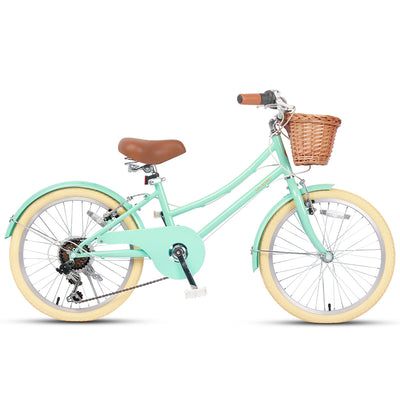


Table of Contents
Learning how to ride a bike starts with balance, not fast pedaling. Children and adults can learn at any age as long as they use a properly fitted bike and practice in a safe place. If you have ever asked, “how do you learn to ride a bike?” This guide breaks the process into manageable steps.
Why Should You Learn to Ride a Bike?
Learning to ride a bike can open the door to family outings, outdoor exercise, commuting, and greater independence. It also builds balance, coordination, and confidence through a skill that can be enjoyed for years.

What Age Do Kids Learn to Ride a Bike?
Parents often search “what age do kids learn to ride a bike” because they worry about starting too early or too late. Many children develop the coordination needed between ages four and seven, but this is only a general range. Some begin at three, while others feel ready at eight or later.
Interest and emotional readiness matter as much as age. A child who can walk, run, follow simple directions, and show an interest in riding may be ready to practice. A child who becomes upset near a bike may need more time.
There is no wrong age to begin. Kids, teens, and adults can all learn to ride. The goal is steady progress without pressure or comparison.
How Long Does It Take to Learn to Ride a Bike?
Some beginners learn the basics in one afternoon. Others need several short sessions over a few weeks. Previous balance-bike experience, coordination, bike fit, confidence, and practice frequency all affect the timeline.
A rider does not need to master every skill at once. Being able to coast is one milestone. Starting, pedaling, turning, and stopping independently can follow later.
How to Learn to Ride a Bike Step by Step
The easiest way to learn how to ride a bike is to build one skill at a time. If the search “how ride bike” brought you here, the five steps below provide a practical place to begin.
Step 1: Get Ready to Learn
Start with a bike that fits the rider now. When sitting on the saddle at its lowest learning position, a beginner should be able to reach the ground comfortably. The handlebars and brake levers should also be within easy reach.
Wear a properly fitted helmet and closed-toe shoes. Choose a flat, open area without vehicles, steep slopes, curbs, or crowds. An empty parking lot, quiet paved court, or wide driveway can work well.
For a young beginner who likes a sporty look, the GLERC Starry is a friendly place to start. Its wide tires provide a steady feel, while the single-speed drivetrain keeps the controls simple. Removable training wheels are included, so families can use them briefly or take them off for balance practice.

Step 2: Learn Balance Before Pedaling
Adjust the bike seat height so the rider can place both feet on the ground.If possible, remove the pedals temporarily or have the rider keep their feet away from them.
Walk forward while sitting on the saddle. Once that feels comfortable, push with both feet and glide for a short distance. Look ahead instead of staring at the front wheel.
Practice until the rider can coast with both feet lifted for several seconds. Small steering corrections are normal. Trying to force the handlebars perfectly straight often makes balancing harder.
Step 3: Add Pedaling and Turning
Reinstall the pedals if they were removed. Place one pedal slightly forward and high, around the one or two o’clock position. Press down firmly while pushing off with the other foot.
Once the bike begins moving, place the second foot on its pedal and keep a smooth rhythm. Look toward the open space ahead.
Begin with wide, gentle turns. The rider should look where they want to go and allow the bike to lean slightly instead of sharply twisting the handlebars.
Step 4: Learn How to Brake Safely
Before gaining speed, learn which controls operate the front and rear brakes. Practice squeezing the levers gently while standing still.
During a ride, apply both brakes smoothly and keep the handlebars straight. Avoid grabbing one lever suddenly, especially while turning. The rider should slow down first, then place a foot on the ground as the bike stops.
If the bike uses a coaster brake, practice stopping by pedaling backward. Make sure the rider can tell the difference between moving the pedals forward and activating the brake.
Step 5: Practice Riding Independently
Set two visible points in the practice area. Ask the rider to start at the first point, pedal in a straight line, turn, and stop near the second.
Repeat the route until starting and stopping feel predictable. Then add wider circles, figure-eight turns, and controlled stops from slightly different speeds.
Move to sidewalks, bike paths, or quiet streets only after the rider can start, steer, brake, and look around without losing control.
Common Mistakes Beginners Make When Learning to Ride
Buying the cheapest available bike can make learning harder if the frame is too large, the brakes are difficult to reach, or the bike is too heavy to control. Fit and usable components matter more than a low sticker price.
For families seeking practical value, the GLERC Little Miss offers several sizes for different stages of childhood. An adjustable seat and handlebar help refine the fit, while the simple drivetrain, protective chain guard, and familiar braking setup support everyday practice. Its included wicker basket also adds personality without requiring a separate purchase.
Another common mistake is holding the bike tightly from behind. This may keep the rider upright, but it prevents them from feeling how balance works. Light support during the first attempts is enough.
Avoid beginning on a hill, asking the rider to look at their feet, or making the first session too long. Fatigue leads to tense arms and rushed movements. End on a small success, even if that success is simply coasting a few feet.

Tips for Teaching a Child How to Ride a Bike
Children learn more easily when practice feels like play. The adult’s job is to create a safe setting, explain one skill at a time, and allow the child to control the pace.
Check if the Child Is Ready
Look for interest, basic coordination, and the ability to follow safety directions. A child does not need to reach a certain birthday before practicing.
If the child refuses to sit on the bike or becomes anxious immediately, pause and try again another day. Pushing through fear rarely produces useful progress.
Guide Without Holding the Bike
Walk beside the child and provide light support near the upper body when needed. Avoid steering the handlebars or continuously holding the saddle.
Let go as soon as the child begins gliding steadily. Tell them before removing support so they do not feel tricked or lose trust.
Keep Practice Short and Positive
Ten to twenty minutes may be enough for a young beginner. Stop before the child becomes exhausted or frustrated.
Use simple instructions such as “look ahead,” “keep pedaling,” and “slowly squeeze the brakes.” Celebrate specific progress rather than demanding a complete independent ride in one session.
FAQ
Can an Adult Learn to Ride a Bike?
Yes. Adults can learn using the same balance-first method as children. Begin with a correctly sized bike, lower the saddle, practice gliding, and add the pedals only after balancing feels comfortable.
Are Balance Bikes Better Than Training Wheels?
Balance bikes teach the rider to steer and balance directly. Training wheels provide support but change the way a bike turns. Either can help, although balance practice often makes the transition to independent riding smoother.
Which Foot Should Start on the Pedal?
Most riders use their stronger feet. Position that pedal forward and slightly above level, press down firmly, and push away from the ground with the other foot.
When Is a New Rider Ready for the Street?
A rider should be able to start without help, ride straight, make controlled turns, stop at a chosen point, and look around without swerving. Begin on quiet routes with adult supervision before adding traffic.
When Do Kids Learn to Ride a Bike?
Families asking “when do kids learn to ride a bike” should focus on readiness instead of a deadline. Many children learn between ages four and seven, but earlier or later is normal. A properly fitted bike, regular practice, and patient support matter more than age.
Conclusion
Anyone can learn to ride a bike by starting with balance and adding pedaling, steering, and braking one step at a time. Use a bike that fits, practice away from traffic, and keep each session calm. Progress may happen in an afternoon or over several weeks, but every controlled glide moves the rider closer to independence.


GLERC creates stylish, durable kids bikes designed to help families ride together with confidence. From sizing guidance to assembly support, our team shares practical advice to make every ride safer and more fun.