Skip to content


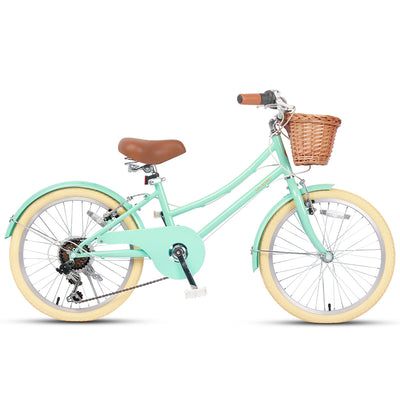


Table of Contents
The cruiser vs mountain bike decision depends mostly on where and how you ride. Choose a cruiser for relaxed trips on flat pavement, or choose a mountain bike for hills, dirt, and rough trails. This guide compares comfort, performance, cost, and everyday use so you can pick the bike that fits your routine.
Cruiser and Mountain Bikes at a Glance
Cruisers and mountain bikes may both have wide tires and flat-style handlebars, but they serve very different riders. A beach cruiser vs mountain bike choice is really a choice between easygoing comfort and off-road control.
What Is a Beach Cruiser?
A beach cruiser is designed for casual riding at a relaxed pace. It usually has swept-back handlebars, a wide saddle, an upright riding position, and cushioned tires. Classic models use one speed, while modern cruisers may offer several gears for gentle hills.
Cruisers feel at home on boardwalks, paved bike paths, neighborhood streets, and short trips around town. They are not made for jumps, rocky trails, or aggressive riding.
What Is a Mountain Bike?
A mountain bike is designed for uneven off-road terrain. Common features include wide treaded tires, flat handlebars, low climbing gears, strong brakes, and either front or full suspension.
These parts help riders on mountain bikes stay in control on dirt, gravel, roots, rocks, and steep slopes. The same features can make a mountain bike heavier and less efficient on smooth pavement.

Key Differences
In a cruiser bicycle vs mountain bike comparison, comfort means two different things. A cruiser supports a relaxed body position on smooth ground, while a mountain bike keeps the rider comfortable and controlled when the surface becomes rough.
|
Feature |
Beach Cruiser |
Mountain Bike |
|
Main purpose |
Relaxed paved riding |
Off-road riding |
|
Riding position |
Upright and laid-back |
Active and slightly forward |
|
Handlebars |
Swept back |
Wide and flat |
|
Tires |
Wide and smooth |
Wide with deeper tread |
|
Suspension |
Usually none |
Front or full suspension |
|
Gearing |
Single-speed or limited gears |
Wide range of lower gears |
|
Best terrain |
Flat streets and paths |
Dirt and technical trails |
|
Main limitation |
Hills and rough terrain |
Pavement efficiency |
Riding Position and Comfort
A cruiser keeps the rider upright with less weight on the hands. This can feel comfortable on short, flat rides. A mountain bike places the rider in a more active position, making it easier to shift body weight when climbing, turning, or descending.
Tires and Suspension
Cruiser tires cushion small cracks and bumps, but their tread is intended mainly for pavement. Mountain-bike tires dig into loose ground. Suspension helps manage trail impacts, although it adds weight and provides little benefit on a smooth boardwalk.
Gearing and Braking
Single-speed cruisers are simple and easy to maintain. Multi-speed models make gentle hills easier. Mountain bikes usually provide lower gears for steep climbs and disc brakes for more consistent control in dirt, mud, or wet conditions.
Speed and Riding Distance
Cruisers favor an easy pace over maximum efficiency. They work best for shorter rides with frequent stops. Mountain bikes can cover more varied terrain, but their knobby tires may feel slow during long rides on pavement.
Neither category is ideal for fast road cycling. Riders planning regular long-distance trips on asphalt may find a hybrid or road bike more efficient.
Weight and Upkeep
Cruisers often use sturdy steel frames and may include baskets, fenders, or racks. These features are practical but can add weight. Their simple drivetrains generally keep maintenance manageable.
Mountain bikes have more trail-focused parts to inspect. Mud, dust, suspension components, disc brakes, and multi-speed drivetrains can require more frequent cleaning and adjustment.
Cruiser vs Mountain Bike: Cost Comparison
A cruiser bike vs mountain bike price comparison should include more than the amount on the tag. The answer to “how much is a mountain bike?” also includes accessories, assembly, maintenance, and replacement parts.
|
Cost Factor |
Beach Cruiser |
Mountain Bike |
|
Typical entry range |
About $200–$500 |
About $300–$800 for a hardtail |
|
Midrange options |
About $500–$1,000 |
About $800–$2,000 |
|
Premium options |
$1,000 or more |
$1,500–$6,000 or more |
|
Common extras |
Basket, rack, lights, lock |
Helmet, gloves, tools, bike rack |
|
Maintenance level |
Usually low to moderate |
Moderate to high |
|
Best value |
Casual paved riding |
Regular off-road riding |
These are broad 2026 U.S. price ranges, and full-suspension mountain bikes generally cost more than hardtails. A cruiser can offer better value when comfort and neighborhood use are the priorities. A mountain bike is worth the extra expense when its suspension, traction, and low gearing will be used regularly.
Which Bike Fits Your Ride?
Looking at mountain bike vs beach cruiser from a weekly-use perspective makes the decision easier. Choose for the terrain you ride most often, not for an occasional trip that may never happen.
Beach Paths and Neighborhood Streets
A cruiser is the natural choice for flat boardwalks, paved greenways, and calm neighborhood streets. The upright position lets you look around easily, while swept-back handlebars support a relaxed pace.
A mountain bike will also work in these places, but its suspension and deep tire tread are usually unnecessary. Unless the pavement is badly damaged, the cruiser will feel more appropriate for an easy afternoon ride.
Errands and Short Trips

Beach Cruiser Bikes work well for coffee runs, visits to a nearby park, and short grocery trips. A basket or rear rack can carry a small bag without requiring the rider to wear a backpack.
For riders who want classic cruiser style with more flexibility, the GLERC Missy is an appealing everyday option. Its six-speed Shimano drivetrain makes gentle slopes easier, while adjustable handlebars, a quick-release saddle, and a wicker basket support comfortable neighborhood use. The 20-, 24-, and 26-inch versions also make it easier for families to find a suitable fit for growing riders and adults.
Hills and Longer Rides
A multi-speed cruiser can manage rolling neighborhoods and mild inclines. For repeated steep climbs, however, a mountain bike offers lower gears and a more effective pedaling position.
The right answer becomes less clear on long paved routes. A mountain bike provides more gears, but its tires create extra resistance. A cruiser feels relaxed at first, yet its laid-back position may become tiring over greater distances. A hybrid may be the better middle ground if long pavement rides are your main goal.
Dirt Trails and Rough Terrain

Choose a mountain bike when the route includes loose gravel, mud, roots, rocks, or steep dirt descents. Wider treaded tires, strong brakes, and suspension provide the control that a beach cruiser lacks.
For a young rider beginning to explore park paths and easy trails, the GLERC Apex offers a practical step up from a neighborhood bike. Its Shimano seven-speed drivetrain helps with changing grades, while front suspension, all-terrain tires, and disc brakes support more confident riding over uneven ground. The 20- and 24-inch options accommodate riders from approximately 45 to 66 inches tall.
A cruiser should not be used for jumps, technical singletrack, or hard landings. Its frame geometry, wheels, and brakes are designed for casual riding rather than repeated trail impacts.
Safety Tips for Every Ride
The bike should fit the rider and match the terrain before the first trip begins. A few basic checks can prevent common problems on both streets and trails.
Wear the Right Safety Gear
Wear a properly fitted bicycle helmet every time you ride. Closed-toe shoes are appropriate for casual trips, while mountain bikers may also need gloves, eye protection, and knee pads. The U.S. Consumer Product Safety Commission recommends a properly fitted helmet for every bike ride.
Check the Bike Before Riding
Check the tire pressure, brakes, chain, saddle, and handlebars. Confirm that the wheels are secure and spin freely. Mountain-bike suspension should also be checked after crashes or demanding trail rides.
Follow Road and Trail Rules
On streets, ride predictably, obey traffic signs, and use lights when visibility is limited. On trails, follow posted directions, respect closures, and control your speed around other riders and hikers.
Ride Within Your Skill Level
Begin with quiet streets or easy trails before moving to busier roads or technical terrain. Practice turning, braking, shifting, and stopping in a controlled area. A capable bike cannot replace good judgment or basic riding skills.
Conclusion
Choose a cruiser for relaxed rides, short errands, and flat paved routes. Choose a mountain bike for hills, loose surfaces, and real off-road trails. The right bike is the one that fits your body, supports your regular rides, and makes you want to use it often.
FAQ
Are Cruiser Bikes Easier to Ride?
Cruisers can feel easier on flat pavement because of their upright position and simple controls. They become harder to ride on steep hills or rough ground, especially when they have only one gear.
What Are the Disadvantages of Cruisers?
Cruisers are generally heavier and slower than many other bikes. Their relaxed geometry is not efficient for steep climbs or long distances, and they are not built for technical trails.
Is a Cruiser Bike Hard to Pedal?
A properly fitted cruiser should be easy to pedal on flat ground. Hills, strong headwinds, low tire pressure, or an incorrect saddle height can make it feel harder. A multi-speed cruiser helps on routes with changing elevation.
What Is the Most Comfortable Type of Bike?
Comfort depends on the rider and the terrain. A cruiser often feels most comfortable for short, relaxed rides on pavement. A mountain bike feels more comfortable on rough trails because its tires and suspension absorb impacts.
Are Mountain Bikes OK for Street Riding?
Yes. Mountain bikes can be ridden on city streets and paved paths, but wide treaded tires and suspension make them less efficient. Riders who spend most of their time on pavement may prefer smoother tires or a hybrid bike.


GLERC creates stylish, durable kids bikes designed to help families ride together with confidence. From sizing guidance to assembly support, our team shares practical advice to make every ride safer and more fun.