Skip to content


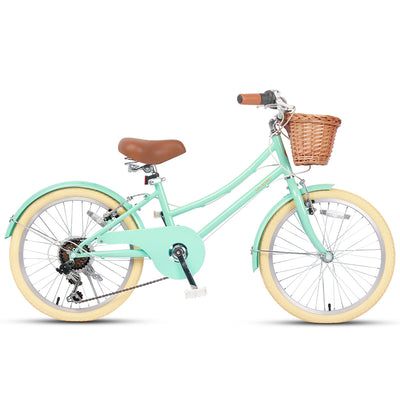


Table of Contents
The fixed bike vs single speed decision comes dwn to one key difference: a single-speed bike lets you coast, while a fixed-gear bike keeps the pedals moving whenever the rear wheel turns. Choose a single-speed for familiar control and everyday commuting; choose a fixed gear for a more connected ride that demands greater skill. This guide compares ride feel, cost, safety, and everyday use so you can choose with confidence.
Fixed Gear Bike vs Single Speed
A fixed gear bike vs single speed comparison can be confusing because both have one gear and a clean, simple drivetrain. Technically, most fixed-gear bikes are single-speed bikes, but not every single-speed bike is fixed gear.
What Is a Single-Speed Bike?

A single speed bike uses one front chainring and one rear cog. It has no derailleur or shifter, but its freewheel allows the rear wheel to turn while the pedals remain still. That means you can coast downhill, through a corner, or while approaching a stop.
The simple drivetrain requires fewer adjustments than a geared setup. This makes a single-speed practical for flat commutes, campus trips, neighborhood rides, and cyclists who want straightforward maintenance.
That straightforward setup is especially helpful for young riders who are still building confidence. The GLERC Little Miss combines a single-speed drivetrain with a low standover frame, short-reach brake levers, and an enclosed chain guard. Its adjustable seat and handlebars make it easier to fine-tune the fit, while the coaster and hand-brake setup helps children develop everyday stopping skills.
What Is a Fixed-Gear Bike?
A fixed-gear bike, often called a fixie or fixed bike, also has one gear. However, its rear cog is attached directly to the hub without a freewheel. If the rear wheel is turning, the cranks and pedals must turn with it.
This creates a direct connection between the rider and the rear wheel. Riders can use pedal pressure to control speed, practice track stands, and even pedal backward. The same connection means they cannot coast, even when descending.
Some bikes use a flip-flop rear hub with a fixed cog on one side and a freewheel on the other. Turning the rear wheel around allows the rider to switch between fixed-gear and freewheeling single-speed modes.

Key Differences
The drivetrain changes more than the ability to coast. It affects how the bike handles traffic, hills, corners, and longer rides.
Pedaling and Coasting
A single-speed bike behaves like a familiar geared bicycle. You can stop pedaling whenever you want while the bike continues moving.
On a fixed gear, the pedals keep turning with the wheel. The rider must maintain an appropriate cadence on descents and position the pedals carefully through corners. This continuous motion can feel smooth and engaging, but it takes practice.
Braking and Control
Single-speed bikes typically use hand brakes, a coaster brake, or both. A fixed-gear rider can slow the rear wheel by resisting the pedals, but drivetrain resistance should not be treated as a complete replacement for properly working brakes on public streets.
Brake requirements vary by state and city. Riders should check local rules and keep the brakes supplied with the bike unless a qualified mechanic confirms that a change is safe and legal.
Speed and Hills
Neither design is automatically faster. Speed depends on fitness, tire choice, riding position, route, and gear ratio.
Both bikes require more effort on steep hills because the rider cannot shift into an easier gear. A fixed bike also keeps the legs turning on the way down, while a single-speed rider can coast and recover.
Comfort and Learning Curve
Compared with fixed-gear models, single speed bikes usually feel more approachable because coasting, cornering, and stopping work like they do on most bikes. They are often the better option for beginners and riders in stop-and-go traffic.
Fixed-gear riding requires better cadence control and more awareness of pedal position. It can improve smooth pedaling and bike-handling skills, but the learning period should take place in a quiet area away from traffic.
What Does Each Bike Really Cost?
Both designs can be affordable because they avoid shifters, derailleurs, and multi-cog cassettes. The lowest purchase price does not always provide the best value, however. Frame fit, wheel quality, brakes, and the condition of the drivetrain still matter.
Purchase Price
Entry-level single-speed and fixed-gear bikes often cost less than similarly built geared bikes. Models with a flip-flop hub can offer extra value because one bicycle supports both riding modes.
Include any changes needed after purchase. A used fixie may need brakes, new tires, a properly secured fixed cog and lockring, or a different gear ratio. Professional assembly or a safety inspection should also be included in the budget.
Maintenance and Replacement Parts
Both bikes are relatively easy to maintain. Bicycle maintenance basics include checking tire pressure, brake pads, chain condition, chain tension, and wheel fasteners.
A fixed drivetrain places continuous force through the chain, cog, and lockring, so secure installation and correct chain tension are essential. A freewheeling single-speed adds a freewheel mechanism, but maintenance remains simpler than on most multi-speed drivetrains.
How to Choose the Right Bike
Start with the route you actually ride each week. A minimalist drivetrain works best when the terrain is predictable and the chosen gear ratio matches the rider’s strength.
|
Riding Situation |
Better Choice |
Why |
|
Flat city commute |
Single-speed |
Easy coasting and low maintenance |
|
Frequent traffic lights |
Single-speed |
Familiar starts, stops, and pedal positioning |
|
Quiet streets and skill practice |
Fixed gear |
Direct pedal feedback and cadence training |
|
Indoor track riding |
Fixed gear |
Traditional track setup and constant engagement |
|
Rolling hills |
Single-speed |
Coasting provides recovery on descents |
|
Long or steep routes |
Geared bike |
Multiple ratios reduce strain and improve versatility |
|
Unsure which style fits |
Flip-flop hub |
Allows fixed and freewheel setups |
Flat City Commutes

Both designs work well on short, mostly level commutes. A single-speed provides the same clean appearance and simple upkeep as a fixie while still allowing the rider to coast through open sections of the route.
For younger independent riders on paved neighborhood routes, the GLERC Nova offers a practical version of that simplicity. Its lightweight aluminum frame, clean belt drive, and front and rear V-brakes make everyday riding easy to manage without adding shifting controls.
Stop-and-Go Traffic
A freewheeling single-speed is usually the easier choice when a route includes traffic lights, crosswalks, and frequent stops. The rider can coast while positioning a pedal for the next start.
A fixed gear can handle urban traffic, but starting and stopping demand more attention. New fixed-gear riders should practice emergency braking and slow-speed control before entering busy streets.
Fitness and Skill Building
A fixed bike encourages continuous pedaling and exposes changes in cadence immediately. Riders who enjoy a responsive, highly connected feel may find it rewarding.
A single-speed can still provide a strong workout. The lack of easier gears makes hills demanding, while the ability to coast gives riders more control over recovery. Fitness benefits ultimately depend more on effort and consistency than drivetrain type.
Hills and Longer Rides
A single-speed is more forgiving on rolling routes because the rider can rest on descents. Even so, one gear may become tiring when climbs are long or steep.
For routes with repeated hills, heavy cargo, strong headwinds, or long distances, geared hybrid bikes or road bikes are usually more practical. Choosing the right bicycle matters more than forcing a simple drivetrain onto terrain it does not suit.
Safety Tips for Every Ride
Even simple bikes need careful setup and responsible riding. Fixed-gear riders should pay particular attention to braking, chain tension, and pedal clearance.
Wear the Right Safety Gear
Wear a properly fitted bicycle helmet and closed-toe shoes. Bright clothing, reflectors, and front and rear lights improve visibility in low light. Avoid loose pant legs or laces that could enter the drivetrain.
Check the Bike Before Riding
Test the brakes and inspect the tires before every ride. Make sure the handlebars, wheels, saddle, cranks, and pedals feel secure.
On a fixed gear, check that the cog and lockring are correctly installed and that the chain has appropriate tension. A bike shop should inspect the setup if you are unsure.
Follow Road and Trail Rules
Ride with traffic, obey signals, and use bike lanes where available. Brake and equipment laws vary across the United States, so check the rules for your state and city before riding a fixed gear on public roads.
Ride Within Your Skill Level
Practice fixed-gear starts, stops, corners, and descents in an open area away from vehicles. Keep both hands ready to brake, leave extra stopping room, and avoid attempting skids in traffic.
Conclusion
For most beginners and everyday commuters, a freewheeling single-speed offers the better balance of simplicity and control. A fixed gear suits experienced riders who want continuous pedaling and direct feedback. In the fixed bike vs single speed decision, choose according to your route, skills, local laws, and willingness to practice—not appearance alone.
FAQ
What Are the Downsides of Riding a Fixed-Gear Bike?
A fixed gear does not allow coasting, which can make steep descents, sharp corners, and stop-and-go traffic more demanding. It also requires careful cadence control, secure drivetrain setup, and greater awareness of pedal position.
Is a Fixed-Gear Bike Faster?
Not automatically. A fixed gear can feel quick and responsive on flat streets or a track, but top speed depends on gear ratio, fitness, tires, aerodynamics, and terrain. A geared bike is generally faster and more efficient across changing elevations.
Is Riding a Fixed-Gear Bike Bad for Your Knees?
Not when the bike fits properly, the gear ratio is reasonable, and the rider increases effort gradually. Knee discomfort may develop if the gear is too hard, the saddle position is incorrect, or the rider repeatedly resists the pedals aggressively. Stop riding and seek professional guidance if pain continues.
Are Fixed-Gear Bikes Good for Beginners?
They can be learned, but a freewheeling single-speed is usually easier for a first-time rider. Beginners interested in fixed gear should use working brakes and practice away from traffic before riding on public streets.
Are Single-Speed Bikes Still Popular?
Yes. Single-speed bikes remain popular for flat commutes, campus transportation, neighborhood riding, and low-maintenance cycling. Their simple controls and clean design appeal to riders who do not need multiple gears.


GLERC creates stylish, durable kids bikes designed to help families ride together with confidence. From sizing guidance to assembly support, our team shares practical advice to make every ride safer and more fun.