Skip to content


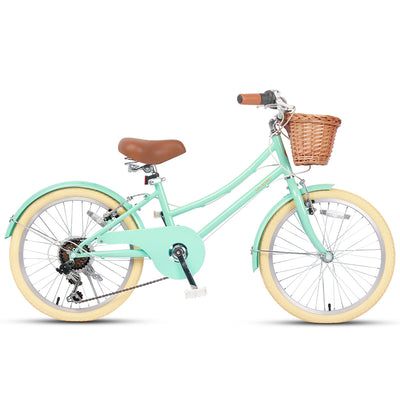


Table of Contents
The best bike for a 5-year-old is usually a 16-inch model, but height, inseam, and riding experience matter more than age alone. Smaller beginners may fit a 14-inch bike, while taller children who already ride independently may be ready for an 18-inch model. This guide explains how to choose the right size, features, and setup.
Quick Answer: Start With a 16-Inch Bike
Most 5-year-olds should begin their search with a 16-inch bike. This size commonly fits children about 38 to 50 inches tall, although the exact range varies by frame design.
A 14-inch bike may provide better control for a smaller or cautious child. An 18-inch bike may suit a taller, experienced rider who can already start, turn, and stop without help.
Do not buy a larger bike only to create extra growing room. A bike that is too tall or heavy can make learning more difficult. The child should be able to reach the ground, handlebars, and brakes comfortably before riding.

Best Bikes for 5-Year-Olds by Riding Stage
The best kids bikes for 5-year-olds serve different learning stages. Some children are beginning to pedal, while others are ready for longer rides on two wheels.
|
Rider Profile |
Typical Wheel Size |
Features to Prioritize |
|
New to pedal bikes |
14 or 16 inches |
Low standover height, short-reach brake lever, adjustable saddle |
|
Still developing balance |
14 or 16 inches |
Removable training wheels, stable tires, simple single-speed drivetrain |
|
Confident on two wheels |
16 or 18 inches |
Manageable weight, responsive hand brakes, efficient drivetrain |
|
Ready for family paths |
16 or 18 inches |
Stable pneumatic tires, reflectors or a light, convenient water storage |
Wheel size is only a starting point. Confirm the child’s height, inseam, brake reach, and riding ability with the size chart for the specific model.
Best for First-Time Pedal Riders
A first pedal bike should feel easy to start, steer, and stop. A low standover height, reachable controls, and a single-speed drivetrain help children concentrate on balance and pedaling.
For a smaller 5-year-old moving up from a balance bike or tricycle, the GLERC Little Molly can make the transition feel more comfortable. Children can stop by pedaling backward with the coaster brake, while the short-reach front brake gradually introduces hand-brake control. The adjustable saddle and handlebars help parents refine the fit, and the enclosed chain guard keeps clothing away from the drivetrain. A wicker basket provides a useful place for a favorite toy, water bottle, or snack during neighborhood practice.

Best With Training Wheels
Training wheels can help children who are ready to pedal but still need support while developing balance. They work best as a temporary aid while the child practices steering, braking, and controlled starts.
For young riders who need that extra stability, the GLERC Starry provides a straightforward learning setup. The removable training wheels offer support during early practice, while the single-speed drivetrain keeps pedaling simple. Its 2.4-inch tires give the bike a steady feel, and the rear coaster brake allows intuitive back-pedal stopping as the front V-brake introduces hand-brake control. BMX-inspired styling completes the bike with a sportier look that many children find appealing.

Best for Independent Riders
Children who already balance confidently need a bike that responds easily when starting, turning, and stopping. At this stage, manageable weight and dependable control are usually more valuable than extra accessories.
For a taller 5-year-old who is comfortable riding without training wheels, the GLERC Nova is a strong option to consider. The 18-inch model fits riders approximately 42 to 50 inches tall, while its aluminum frame makes the bike easier to handle through starts and tight turns. A quiet belt drivetrain keeps pedaling simple and avoids chain grease, and front and rear V-brakes provide responsive control on neighborhood streets and paved park paths.

Best for Paths and Easy Trails
Park paths can include pavement, packed dirt, and small surface changes. A suitable bike should provide steady tires, predictable braking, and manageable handling without the added weight of a full mountain-bike setup.
For families whose rides move between neighborhood sidewalks and maintained park paths, the GLERC Fantacy offers a practical balance. Its 2.4-inch tires provide a stable feel on pavement and firm dirt, while the front hand brake and rear coaster brake give young riders controlled stopping options. The 16-inch model fits riders approximately 38 to 49 inches tall, and the removable LED light and bottle cage are useful additions for longer family outings.
What Makes a Good Kids Bike?
The best bike for a 5-year-old boy or girl should fit correctly and remain easy to control. Color and frame styling can reflect personal preferences, but the following features have a greater effect on the riding experience.
A Manageable Bike Weight
A child must be able to start the bike, steer at low speed, and lift it after a fall. A heavy bicycle may feel stable while standing still but become difficult to control during turns and stops.
Compare complete bike weights, including training wheels and accessories. The lightest option is not automatically the best, but unnecessary weight should not interfere with the child’s movement.
Brakes for Small Hands
Brake levers should sit close enough to the grips for a child to reach without stretching. Ask the child to squeeze the lever several times and confirm that the brake engages before the lever touches the handlebar.
A coaster brake can feel intuitive to a new rider because it works by pedaling backward. A hand brake introduces the controls found on larger bikes. A combination of both can help children develop new skills gradually.
Simple Gearing and Suitable Tires
Most 5-year-olds do not need multiple gears for flat neighborhood riding. A single-speed drivetrain allows the child to focus on balance, steering, and braking.
Smooth or lightly treaded tires work well on driveways, sidewalks, and paved paths. Wider tires can add stability, but aggressive mountain-bike tread is unnecessary unless the child regularly rides on loose dirt.
Useful Fit Adjustments
An adjustable saddle extends the usable fit of a bike as the child grows. Adjustable handlebars can also help maintain a comfortable reach.
Adjustability cannot make an oversized frame safe. The correct bike should fit at the beginning of its adjustment range, not require every component to be lowered beyond its marked safety limit.
How to Choose the Best Bike for a 5-Year-Old
Choosing among the best bikes for kids requires more than checking the age printed on the box. Take current measurements and consider what the child can do independently.
Measure Height and Insea
Measure the child’s height without shoes. To measure the riding inseam, have the child stand against a wall with feet several inches apart. Place a hardcover book between the legs to represent the saddle, then measure from the floor to the top of the book.
Compare both measurements with the chart for the specific model. Two bikes with 16-inch wheels can have different minimum saddle heights and handlebar reach.
Match the Bike to Their Riding Skills
A cautious beginner usually benefits from the smaller suitable size because it is easier to balance and stop. A child moving directly from a balance bike may be ready to ride without training wheels.
An 18-inch bike should be considered only when the child fits its height range and already has the skills to manage the longer frame and larger wheels. Age alone is not enough to make that decision.
Check Fit, Reach, and Braking
With the child standing over the bike, the frame should not press against the body. A beginner should be able to place both feet flat or nearly flat on the ground while seated at the learning height.
The child should also reach the handlebars with relaxed elbows and operate the brakes without shifting their hands. Test several starts, turns, and stops in a flat, traffic-free area before taking a longer ride.
Bike Safety Tips for Kids
A proper fit, regular kids bike maintenance, and safe riding habits are all important before moving beyond the driveway:
- Use a properly fitted bicycle helmet on every ride.
- Wear closed-toe shoes and avoid loose pant legs or untied laces.
- Check tire pressure, brakes, wheels, and handlebars before riding.
- Begin in a flat area away from vehicles, curbs, and crowds.
- Practice starting, turning, braking, and looking ahead.
- Supervise young riders near driveways and intersections.
- Use lights and reflectors when visibility is limited.
- Keep early practice sessions short and positive.
Conclusion
The best bike for a 5-year-old is one the child can control today. Begin with a 16-inch bike, then consider a 14-inch model for a smaller beginner or an 18-inch model for a taller, independent rider. Correct fit, manageable weight, reachable brakes, and suitable tires matter more than buying extra room for future growth.
FAQ
Is 5 Years Old Too Late to Learn to Ride a Bike?
No. Five is a common age for learning to ride, and some children begin later. Readiness, confidence, bike fit, and consistent practice matter more than reaching a specific age.
What Kind of Bike Is Appropriate for a 5-Year-Old Girl?
The best bike for a 5-year-old girl is usually a properly fitted 14-, 16-, or 18-inch bike. Girls and boys use the same sizing process. Frame style, color, baskets, and other accessories can be chosen according to the child’s preferences.
Should a 5-Year-Old Use a Balance Bike?
A balance bike can help a 5-year-old who has not yet developed balance or feels nervous about pedals. A child who can glide, steer, and stop confidently may be ready to move directly to a pedal bike.
What Is the Best Way to Bike With a 5-Year-Old Child?
Choose a flat, traffic-free path and keep the child close enough for clear instructions. Practice stopping before the ride, maintain an easy pace, and avoid routes with busy intersections or steep hills.
Can My 5-Year-Old Ride a 20-Inch Bike?
Most 5-year-olds will find a 20-inch bike too large. A particularly tall and skilled child may fit one, but only if the model’s height and inseam ranges match and the child can start, steer, and brake without stretching.


GLERC creates stylish, durable kids bikes designed to help families ride together with confidence. From sizing guidance to assembly support, our team shares practical advice to make every ride safer and more fun.