Skip to content


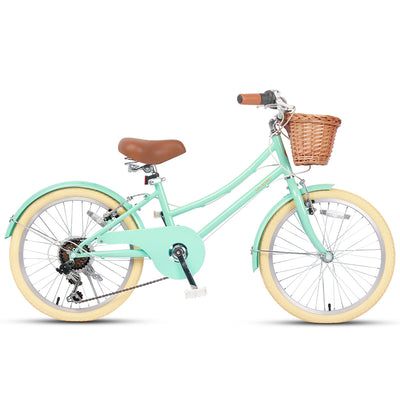


Table of Contents
The right kids bike sizes are based on how well a child can control the bike now, not how much growing room it offers. Start with height and inseam, then confirm that the child can reach the ground, handlebars, and brakes comfortably. This guide will help you choose a size that feels safe and fun from the first ride.
Kids Bicycle Size Chart
Use this bicycle size chart as a starting point, not a final answer. Bikes with the same wheel size can have different frame shapes and seat heights, so always check the size chart on the exact product page.
|
Wheel Size |
Typical Age |
Typical Rider Height |
Approximate Inseam |
Best Riding Stage |
|
12 inches |
2–3 |
2'10"–3'4" |
14"–17" |
Balance or first pedal rides |
|
14 inches |
3–4 |
3'1"–3'7" |
16"–20" |
First pedal bike |
|
16 inches |
4–6 |
3'7"–4'0" |
18"–22" |
Learning to ride independently |
|
18 inches |
5–7 |
3'9"–4'2" |
20"–24" |
Growing independent riders |
|
20 inches |
5–8 |
4'0"–4'5" |
22"–25" |
Neighborhood and park rides |
|
24 inches |
7–11 |
4'5"–4'9" |
24"–28" |
Longer rides and easy trails |
|
26 inches |
10+ |
4'9" and up |
28" and up |
Older kids and teens |
How to Choose the Right Bike Size
Age is useful for narrowing the search, but it should not make the final decision. The most reliable bike sizes for kids come from a child’s body measurements, riding confidence, and the bike’s actual geometry.
Measure Your Child’s Height and Inseam
Measure height while your child stands straight against a wall in the shoes they usually wear for riding. For the inseam, place a hardcover book between their legs, raise it gently to imitate a saddle, and measure from the floor to the top of the book.
These children's bike measurements are more useful than pant size. A child with long legs may need a larger bike than another child of the same age, while a shorter rider may need to stay with a smaller wheel size.

Compare the Model’s Size Chart
After choosing a likely wheel size, check the model’s height and inseam range. A children’s bike size guide can narrow the choices, but each bike still needs its own fit check.
If your child falls between sizes, favor the smaller option for a cautious beginner. A confident rider who already balances and brakes well may be comfortable at the lower end of the next size up.
Check Seat Height and Standover Clearance
New riders should be able to put their feet down quickly when they stop. A more experienced child can ride with a higher saddle for better pedaling, as long as they can still start and stop with confidence.
Have your child stand over the frame with both feet on the ground. They need space between the top tube and their body, especially if they are learning or riding uneven paths.
Test Reach and Braking
Your child should hold the grips with relaxed shoulders and slightly bent elbows. If they must stretch forward or slide to the front of the saddle, the bike is probably too long.
Ask them to squeeze both brake levers while keeping their hands on the grips. Reachable brakes are essential, especially as children move from quiet driveways to neighborhood streets.
Kids Bike Picks by Wheel Size
When comparing kids bikes, wheel size should match both physical fit and riding stage. A simple first pedal bike is very different from a larger bike made for school rides or local trails.
12- and 14-Inch Bikes for First Rides
Small riders benefit from simple controls, a low seat, and a setup that makes stopping less intimidating. At this stage, a child needs room to practice balance before worrying about gears.
The GLERC Little Molly is a natural choice for first pedal rides. Its 12- and 14-inch versions include removable training wheels, an enclosed chain guard, and both a rear coaster brake and front hand brake. The adjustable fit helps families make small changes as confidence grows.

16- and 18-Inch Bikes for New Pedal Riders
Children in this range may be learning to ride without training wheels or gaining confidence on longer family outings. The bike should feel steady at slow speeds and be easy to turn around a driveway or park path.
Little Molly also comes in 16- and 18-inch sizes, giving growing riders a familiar setup without adding complicated controls. Its basket has room for a water bottle, a small toy, or a snack for an afternoon at the park.
20-Inch Bikes for Everyday Rides
A 20-inch bike often becomes a child’s everyday bike for neighborhood rides, paved paths, and supervised trips to school. At this point, manageable weight and dependable brakes become especially important.
For independent riders, the GLERC Nova offers a lightweight aluminum frame, front and rear V-brakes, and a clean single-speed belt drive. The belt keeps grease off pant legs and requires less day-to-day attention than a traditional chain, making Nova a practical fit for regular pavement riding.

24- and 26-Inch Bikes for Older Kids
As children move into 24- and 26-inch bikes, their preferred riding style matters more. Some want a relaxed bike for longer paths, while others need gears, tire grip, and stronger braking for dirt and gravel.
For riders who spend weekends on packed trails or uneven park paths, the GLERC Apex is worth considering in its 24-inch size. Shimano seven-speed gearing, front suspension, all-terrain tires, and disc brakes give young riders useful control as their routes become more adventurous. At 26 inches, compare frame reach and standover height carefully because many models are closer to small adult bikes.
What Else Matters Besides Size?
Correct sizing is the foundation, but it is not the only feature that affects a child’s ride. Consider how easy the bike is to manage and where it will be used most often.
Bike Weight
A child should be able to walk the bike, turn it at low speed, and pick it up after a small fall. Heavy accessories or low-quality suspension can make a bike harder to control.
Brakes and Gears
Simple single speed bikes work well for flat neighborhoods. Gears become more useful for hills and longer rides, provided the child can shift without losing focus or control.
Riding Experience and Terrain
Smooth tires suit sidewalks and pavement. Wider, treaded tires add grip on dirt and gravel. A suspension fork can help on rougher routes, but it is not necessary for every park path.
Adjustability and Growing Room
Adjustable saddles and handlebars can extend the useful life of a bike. Still, no adjustment can make an oversized frame safe, so buy for the fit your child needs today.
Common Kids Bike Sizing Mistakes
Many fit problems come from trying to make one bike last too long. Avoid these common mistakes:
-
Choosing only by age instead of measuring height and inseam
-
Buying a bike that is too large “to grow into”
-
Assuming all bikes with the same wheel size fit the same way
-
Ignoring handlebar reach and brake-lever access
-
Choosing a bike that is too heavy for the child to handle
-
Setting the saddle too high for a new rider
-
Prioritizing color or accessories before checking the fit
Bike Safety Tips for Kids
A well-fitted bike helps a child stay in control, but safe habits matter just as much. The National Highway Traffic Safety Administration recommends beginning in a safe area away from traffic and wearing a properly fitted helmet for every ride.
-
Wear a bike helmet that sits level and low on the forehead.
-
Check tires, brakes, wheels, handlebars, and pedals before riding.
-
Practice starting, turning, and stopping in a quiet open space.
-
Choose routes that match the child’s current skills.
-
Teach children to stop and look left, right, and left again before crossing.
-
Use lights and reflectors whenever visibility is limited.
Conclusion
The best kids bike sizes fit the child’s current body and abilities. Measure height and inseam, compare the exact model chart, and make sure your child can reach the ground, handlebars, and brakes. A bike that feels easy to control today will encourage more confident riding tomorrow.
FAQ
What Size Kids Bike by Age?
Age is only a starting point. Children ages 2–4 often fit 12- or 14-inch bikes, while many riders ages 5–8 fit 16- to 20-inch options. Height, inseam, and confidence should make the final choice.
What Age Is a 20-Inch Bike For?
A 20-inch bike often fits children around ages 5–8. Most riders are approximately 4'0" to 4'5" tall, but the model’s size chart is more accurate than age alone.
What Age Is a 24-Inch Bike For?
Most 24-inch bikes fit children around ages 7–11. They are often a good match for longer rides, beginner trails, and children who have outgrown 20-inch wheels.
Is a 26-Inch Bike a Kids Bike?
Some 26-inch models are youth bikes, while others are small adult bikes. Check the standover height, reach, and minimum rider height before choosing one for a child.
Do Boys and Girls Need Different Bike Sizes?
No. Bike sizing is based on height, inseam, reach, and riding skill—not gender. Choose the frame style, color, and accessories that your child enjoys after confirming the fit.


GLERC creates stylish, durable kids bikes designed to help families ride together with confidence. From sizing guidance to assembly support, our team shares practical advice to make every ride safer and more fun.