Skip to content


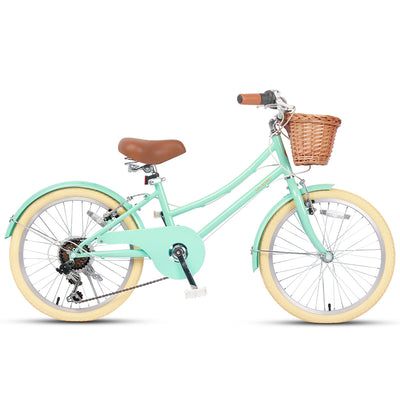


Table of Contents
The best way to start family cycling is to get a properly sized bike for each family member. Plan a flat route that takes under 15 minutes. Focus your first ride on having fun rather than covering distance.
This guide walks you through the entire journey. It covers choosing bikes, planning your first ride, safety gear, and building a weekly cycling habit. We also included official bike sizing data to save you from trial and error. You will easily get your entire family, from three-year-olds to parents, out on two wheels.
Why Family Bike Riding Is Worth Starting
Family cycling is about much more than just working out. It is one of the few activities where toddlers and adults get exactly what they need at the same time. Kids practice balance and judgment. Parents get a low-impact cardio workout. The whole family enjoys screen-free time at their own pace.
An overlooked fact is that riding a bike builds transferable independence. When a child can ride to a spot two blocks away on their own, they gain more than just a skill. They feel trusted.
Choose the Right Family Bike Setup
The core rule of picking a bike is simple: size matters more than color or price. To find the right fit, look at both height and inseam. The inseam determines if a child can plant their feet flat on the ground when stopping. Here is the breakdown for three types of riders.
Bikes for Young Children
For toddlers aged 2 to 4, focus on a low standover height, a lightweight frame, and removable training wheels. This setup lets them put a foot down easily to feel safe. Glerc's 12-inch models are designed for this stage. For example, the Little Molly is a 12-inch toddler bike weighing about 21 pounds. It comes with removable training wheels, a basket. Once your child rides confidently, you can just take off the training wheels.

Bikes for Older Kids
Kids aged 4 to 13 have the leg length and strength to handle 16 to 20-inch kids bikes. At this stage, you should focus on a real hand brake system. A bike that goes fast and stops reliably will quickly boost a child's confidence when moving from park paths to neighborhood streets. A 20-inch model, like the Missy hybrid cruiser or the Mars entry-level mountain bike, fits perfectly for kids up to age 13.
Bikes for Parents
Parents choose bikes differently than kids. You need a bike for cruising along with your children. It must stay comfortable at low speeds, during frequent stops, and when you step off quickly to help a child. The Glerc 26-inch Missy beach cruiser hybrid is a favorite among parents who ride alongside their kids. It features a low step-through frame, an upright riding position, and a handwoven wicker basket perfect for snacks, jackets, and small essentials. It also lets you plant both feet on the ground easily when stopping, so you can reach out and protect your child at any moment.
You can use height and inseam directly to choose the right bike:
|
Wheel Size |
Rider Age |
Rider Height |
Inseam |
Bike Weight |
|
12" |
2–4 |
33–37" |
13–16" |
21 lbs |
|
14" |
3–5 |
35–43" |
15–19" |
22 lbs |
|
16" |
4–7 |
38–50" |
17–21" |
24 lbs |
|
18" |
5–9 |
41–54" |
18–23" |
25 lbs |
|
20" |
7–13 |
48–60" |
22–26" |
26 lbs |
|
24" |
8+ |
52"+ |
24"+ |
29 lbs |
|
26" |
12+ |
59"+ |
26"+ |
33 lbs |
If a child's height falls right between two sizes, beginners should choose the smaller size for better control and stability. Only consider the larger size to leave room for growth if the child already rides with great confidence.
Plan a Simple First Ride
Once everyone has a bike, the design of the first outing usually determines if a child will want to ride a second time. Plan the first ride as a small success rather than an endurance test.
Pick a Short and Easy Route
The ideal first route is under a half mile, with almost no hills or intersections. A short, flat path lets a child finish the whole ride before getting tired. This connects riding a bike with the feeling of achievement.
Choose the Right Time of Day
Try to avoid the midday heat and the evening rush hour traffic. Early mornings or late afternoons after naptime are best. During these times, kids have plenty of energy, the lighting is good, and the streets are less crowded. Keep one small detail in mind: avoid times when your child is hungry or sleepy. A tired child loses patience very quickly when facing difficulties.
Keep the First Ride Relaxed
Do not set mileage or speed goals for the first outing. Allow your child to stop halfway, ask to turn back, or walk their bike for a while. These are not failures. They are just adapting at their own pace. The more relaxed parents are, the more willing kids are to try.
Safety Gear Every Family Needs
Gear is not meant to make you look like a professional. Its purpose is to minimize the cost of a potential fall. This gives parents the confidence to let go and encourages kids to try.
Helmets That Fit Well
A helmet only works well if it fits right. According to research from the Insurance Institute for Highway Safety (IIHS), wearing a bicycle helmet reduces the odds of sustaining a head injury by roughly 50%. To ensure this protection, the brim should sit about two fingers above the eyebrows. You should only be able to fit one finger under the buckled chin strap.
Lights, Bells, and Bright Clothing
Visibility is the most underrated safety factor in city riding. A white front light, a red rear light, a crisp bell, and bright or reflective tops help drivers and pedestrians notice you seconds earlier. These few seconds often mark the safety boundary. Glerc's accessory section offers lights, bells, and baskets for individual purchase, making it easy to add what you need.
Water, Snacks, and Small Tools
Even for short rides, we recommend bringing these five items with you. You can print this list out and stick it to your garage door:
-
A properly fitted helmet for everyone
-
Front and rear bike lights plus a bell
-
Water bottles and high-energy snacks
-
An Allen wrench, tire patches, and a portable pump
-
Band-Aids and wet wipes
Teach Kids Safe Bike Riding Habits
Gear takes care of what happens after a fall. Habits ensure you do not fall in the first place. The earlier you build safety habits, the faster they become muscle memory.
Start and Stop Safely
Teach kids to start with the ready foot technique. Place one foot on the pedal raised to the one or two o'clock position. Push down and bring the other foot up. For braking, emphasize pulling the rear brake first, then the front brake, while shifting the body weight back. This prevents a flip from grabbing the front brake too hard. Practice the ride, stop, and feet-down sequence on an open lot until it becomes an instinct.
Ride in a Straight Line
Many beginners fall not because of speed, but because they look down at the front wheel and wobble. Teach them to look where they want to go. If they look ahead, the bike stays straight. You can draw a line on the ground and have them follow it. This turns the abstract idea of looking ahead into a concrete game.

Make Cycling Fun for the Whole Family
Safety is the foundation, but fun is the engine that keeps the whole family riding for the long term. The following two simple methods can turn time to ride into a request that your kids actively make themselves.
Let Kids Help Choose the Route
Give your child limited choices, like asking if they want to go to the duck pond or the park with the big slide today. When kids are allowed to make decisions, they view the ride as their plan. This sense of involvement directly turns into enthusiasm.
Build in Breaks and Rewards
Set up a reward stop along the route. This could be a splash pad, an ice cream shop, or a lakeside spot where they can skip rocks. Design the ride as the path to something great.
If you plan to get the whole family riding together, the most cost-effective way is to buy bikes for parents and kids at the same time. Glerc occasionally runs a "buy two bikes, get an extra 10% off" promotion — check the official website for the latest live offer.For instance, moms can pair a 26-inch Missy cruiser with a 12-inch Little Molly for younger riders, while dads can match a 26-inch Trident BMX with a BMX-style Starry for older kids who love tricks. Either combo covers two different height ranges with one adult bike and one kids bike. When the deal is active, you can stack it with the current sale on the official website for even better savings.
Good Places for Family Riding a Bike
Knowing where to ride is just as important as knowing how to ride a bike. A good spot lets you focus more on your child rather than dealing with traffic.
Parks and Greenways
City parks and greenways are your best choice. They offer smooth pavement, separation from cars, and restrooms and water fountains along the way. Almost every first ride should start here.
Quiet Streets and Bike Lanes
Once your child rides steadily in the park, you can upgrade to quiet neighborhood streets on weekend mornings or protected bike lanes. This lets them get used to real intersections and right-of-way rules in a low-risk environment.
School Runs and Short Errands
Fitting cycling into your daily routine, like riding to school or to the bakery, is the key step to turning it from a weekend activity into a lifestyle. Short trips with a clear purpose show kids that riding a bike is truly useful.
Common Family Cycling Mistakes to Avoid
The most common mistakes usually come down to rushing things. These include buying a bike that is a size too big so it lasts a couple of years, planning too long of a route for the first ride, and ignoring how well a helmet fits. Another big mistake is when parents expect their kids to wear a helmet but do not wear one themselves.
There is also a hidden mistake: turning the ride into a training session. Constantly correcting posture and focusing on speed will quickly ruin your child's interest. Remember that the only goal at this stage is to make your child want to come back next time.
How to Build a Weekly Bike Riding Habit
Turning cycling into a habit does not rely on willpower. It relies on lowering the barrier to entry. Set a fixed time like every Saturday morning, choose a regular starting point, and pack your gear the night before so it sits right by the door. When heading out takes only 5 minutes of preparation, your chances of sticking with it go up significantly. You can also hang a chart on the fridge. Let your child stick a star on it after every ride, and offer a small reward once they collect enough.
Final Tips for Easy Family Bike Rides
Whether family cycling lasts long-term depends on three small things: bikes must fit well, the first ride should be short and fun, and habits need a low barrier to entry. Start with a flat 15-minute route, bring helmets and water, and set the goal to have everyone come home smiling. When the activity becomes easy and something to look forward to, it will naturally stay on your weekly schedule.
FAQ
At what age can a child start riding a bike with training wheels?
Most kids can start on a 12-inch bike with training wheels between ages 2 and 4, when they are around 33 to 37 inches tall. The key factor is whether their feet can plant firmly on the ground, rather than just their age.
How do I know if the bike size is right?
First, check the official size chart using height and inseam. Then, have your child sit on the saddle and hold the handlebars. The fit is right if their feet rest completely flat with a slight bend in the knees. The bike is too big if they can only touch the ground with their toes.and check inseam against the bike's standover height
Can adults find a suitable bike from Glerc too?
Yes. The Glerc 26-inch Missy beach cruiser hybrid is designed for teens and adult women, with a low step-through frame, upright riding position, and a handwoven wicker basket. It's perfect for cruising alongside your kids on bike lanes and park trails every day.
Is there a discount for buying parent and kids bikes together?
Yes. Glerc currently offers a "buy two bikes, get an extra 10% off" deal as an ongoing promotion — a great way to equip both parent and child at the same time. On top of that, Glerc regularly rolls out smaller bonus offers on bikes, helmets, and accessories whenever new products launch or activities go live, so it's worth checking the site every now and then. The biggest direct price drops happen during Spring, Summer, and Fall sales, Black Friday, and Christmas, when discounts on full bikes go deeper than at any other time of year. For the latest active offers, always check the official website before checkout.
Do I need to assemble the new bike myself?
Glerc bikes arrive 85% pre-assembled from the factory, so you only need to install the front wheel, handlebars, pedals, training wheels, and saddle. Most parents finish setup in about 20–30 minutes using the step-by-step guides and assembly videos on the official website. If anything feels unclear, our technical support team is on hand to walk you through it one-on-one over chat, email, or phone — so you're never stuck mid-assembly.


GLERC creates stylish, durable kids bikes designed to help families ride together with confidence. From sizing guidance to assembly support, our team shares practical advice to make every ride safer and more fun.