Skip to content


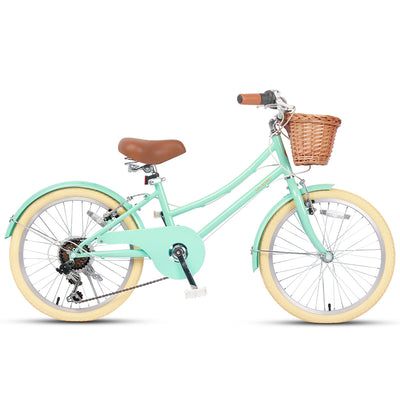


Table of Contents
The honest answer to what age kids learn to ride a bike is that there isn't a fixed one. Most children ride a two wheeler between ages 3 and 7, and around 5 is typical. Age predicts less than balance, coordination, and whether your child actually wants to ride. And once a child is ready, the harder question is usually which size to buy, not what age.
The Real Age Range Kids Learn to Ride
Most children ride independently between ages 3 and 7. A few manage it by 3 on a balance bike, while plenty don't click until 6 or 7, and both are normal. The belief that there is a standard age, like 4, creates needless worry when a child isn't there yet.
Wide ranges exist because pedaling, steering, and braking at once is a coordination task, not a calendar one. If you're asking what age kids learn to ride a bike, treat 5 as a midpoint rather than a deadline. Starting a little later usually does not matter once your child begins riding with confidence.


Readiness Signals That Beat Age
A few signals tell you more than a birthday. Watch for steady balance, a quick response to simple safety words, and real interest in riding rather than a bike that sits in the garage.
Balances and Glides Without Help
Balance is the foundation, and it shows up before pedaling does. A child who can coast on a balance bike (a pedal free bike they push along with their feet) for 10 feet or more with both feet up for about 5 seconds has the core skill a pedal bike needs. The same is true of a kid who climbs playground equipment with steady footing. If your child still drops a foot every second or two, give it a few more weeks before adding pedals.
Responds to Stop and Steer Cues
Riding safely means reacting to instructions in about a second. A child who hears "stop" or "slow down" and acts within a beat can handle the basic rules of a sidewalk or driveway. They should also manage a coaster brake (a brake worked by pedaling backward) or a hand lever without thinking hard about it. If following directions is still a struggle during play, that skill will be shaky on a bike too.
Balance Bike or Training Wheels First
Balance bikes are great for building balance first. Training wheels can also help nervous children feel safe while they learn to pedal and steer. The better choice depends on your child’s confidence. If your child already glides well, you can move to a pedal bike sooner. If they feel scared, a small bike with removable training wheels can be a gentle first step.
That doesn't make training wheels useless. For a child who skipped the balance bike stage or feels nervous, they can build pedaling confidence on a first pedal bike before the wheels come off.
Skipping balance is what stalls most new riders.
The order that works for most kids is to start with a 12-inch pedal bike with training wheels around ages 2 to 4, like the Glerc Little Miss, then remove the training wheels once they pedal confidently. When that day comes, lower the seat so both feet reach the ground while your child relearns balance on two wheels.
How to Match Bike Size to Your Child


Size matters more than age once your child is ready. Kids' bikes are measured by wheel diameter, from 12 inches to 26 inches, and the right one lets your child touch the ground while seated.
For parents comparing first bikes, Glerc bike offers kids bikes across multiple wheel sizes, so you can choose by height, age, and riding confidence instead of guessing by birthday alone.
Measure Height and Inseam First
Measure before you shop, because two kids the same age can differ by a head. Stand your child against a wall for height, then measure inseam (the inside leg length from crotch to floor) by holding a book snug against the crotch and measuring from the floor to the top of the book. Inseam decides whether your child can plant both feet at a stop, which is what keeps a beginner from tipping. Even an inch or two of extra standover height can leave a new rider on tiptoe, which means the bike is too big.
Use the Age to Wheel Size Chart
Match the wheel size to height first and use age only as a sanity check. The chart below pairs each wheel size with a typical age and height range, drawn from standard kids' bike sizing. Find your child's height, then confirm the age looks reasonable, not the other way around.
|
Wheel size |
Typical age |
Child height |
|
12" |
2–4 yrs |
33–37" |
|
14" |
3–5 yrs |
35–43" |
|
16" |
4–8 yrs |
38–50" |
|
18" |
5–10 yrs |
41–54" |
|
20" |
6–13 yrs |
48–60" |
|
24" |
8+ yrs |
52–66" |
|
26" |
12+ yrs |
59"+ |
Always check the size chart on the specific bike page, because frame height, seat range, and handlebar position can vary by model.
Once you have a number, you can filter kids bikes by wheel size and recommended age to narrow the list to the few that actually fit.
When Your Child Is Between Sizes
Pick the smaller wheel size when your child falls between two and is still learning. A smaller bike is lighter and easier to control, so a beginner gains confidence faster, even if they outgrow it within a year. A confident, experienced rider can take the larger size for more room to grow. Either way, set the saddle so both feet sit flat on the ground for a new rider, and raise it later as skills improve. Buying a size up to stretch the value usually backfires, because an oversized bike feels unstable and slows learning.
A First Bike Checklist Beyond Size
Fit gets you most of the way, but a few features decide whether a first bike is safe and usable. Weight is the one parents overlook most.
A bike should weigh well under 40% of your child's body weight, which is why a lightweight aluminum frame beats a cheap heavy one for small riders. Brakes should match age: a coaster brake for younger kids whose hands aren't strong yet, and hand brakes for older children who can squeeze a lever firmly.
The rest is simple. A helmet that sits level and snug, non slip pedals, and rounded handlebar ends all lower the cost of the spills that come with learning.
Heavy is the enemy of learning.
FAQ
Can a 2 year old ride a bike?
On a balance bike, often yes. Most 2 year olds can push along and glide on a pedal free balance bike, which builds the skill a pedal bike later needs. Pedaling a real bike tends to come closer to ages 3 to 5, once their legs and coordination catch up.
Is 8 too late to learn to ride a bike?
No. Eight is a common age to learn, and older starters often pick it up faster because their balance and strength are further along. A correctly sized bike with the seat low enough to plant both feet matters far more than the later start.
How long does it take a child to learn?
Anywhere from a single afternoon to a few weeks. Kids who already glide well on a balance bike sometimes ride in a day, while those starting from scratch may need several short sessions spread over two or three weeks. Short, low pressure practice works better than long ones that end in frustration.
Should I choose a 12 inch or 14 inch bike for my child?
Choose a 12 inch bike for a smaller beginner, and choose a 14 inch bike if your child is taller, more confident, and can still touch the ground safely.


GLERC creates stylish, durable kids bikes designed to help families ride together with confidence. From sizing guidance to assembly support, our team shares practical advice to make every ride safer and more fun.