Skip to content


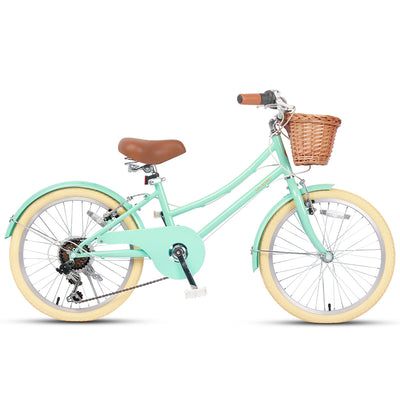


Table of Contents
An 18 inch bike is generally made for children ages 5 to 10, but height, inseam, and riding skill matter more than birthday alone. A bike bought for “room to grow” may be difficult to start, steer, and stop today. This guide will help you check the fit, compare nearby wheel sizes, and choose an 18 inch kids bike your child can control with confidence.
Quick Answer on the 18 Inch Bike Age Range

The typical 18 inch bike age range begins around age 5. In our current 18 inch bike, these bikes generally serve riders from 41 to 57 inches tall, with inseams from 21 to 26 inches. The exact range changes with the frame, saddle height, and design of each model.
|
Fit factor |
General GLERC 18 inch range |
|
Typical age |
5 to 10 years |
|
Rider height |
41 to 57 inches |
|
Inseam |
21 to 26 inches |
|
Common riding stage |
Learning to pedal or riding independently |
|
Typical use |
Sidewalks, parks, neighborhood rides, and short school trips |
Age should be used as a starting point, not a final answer. Two 6-year-olds can have different leg lengths, confidence levels, and braking skills. The better rule is to choose the largest wheel size your child can control comfortably now, rather than the largest bike they can simply sit on.
How to Tell if an 18 Inch Bike Fits
A size chart narrows the choices, but the real answer appears when your child gets on the bike. Watch how easily they mount, reach the controls, start moving, and stop without help.
Signs the Bike Fits Well
A well-fitting bike allows your child to get on without being lifted onto the saddle. A beginner should be able to place both feet flat, or almost flat, on the ground. A more experienced rider may sit slightly higher, but should still be able to put one foot down quickly.
The child’s arms should remain relaxed while holding the handlebars. Their knees should not hit the bars, and they should be able to turn in both directions without stretching. Ask them to start, stop, and turn several times in a driveway or empty parking lot. Smooth, repeatable control is more useful than asking whether the bike “feels okay.”
Signs the Bike Is Too Big
A bike is too big if your child can only touch the ground with the tips of their toes, struggles to swing a leg over the frame, or leans the bike sharply to get on. Locked elbows, stretched arms, and difficulty reaching the brake levers are other warning signs.
Training wheels can hide a poor fit because they hold the bike upright. The child may appear stable but still lack the reach and leverage needed to steer or brake. If an adult must catch the bike every time the child stops, moving down a size is usually the safer choice.
Signs Your Child Has Outgrown It
An 18 inch bike may be too small when the child’s knees rise close to the handlebars, the saddle has reached its maximum height, or pedaling looks cramped. The child may also feel unstable at higher speeds because the frame and cockpit no longer provide enough room.
Do not move up only because of age. A 9-year-old who is still within the bike’s height range may fit better than a tall 7-year-old. Body measurements and bike control remain the deciding factors.
How to Measure Your Child
Measure before choosing a color or model. Height identifies the likely wheel size, while inseam shows whether the child can stand over the frame and reach the ground safely.
Measure Your Child’s Height
Have your child stand straight against a wall without shoes. Their heels should touch the wall, and their eyes should face forward. Place a flat book on top of the head, mark the wall, and measure from the floor to the mark.
Compare that number with the height range on the exact product page. You can also use our kids bike size guide to narrow down the right wheel size. Always follow the model-specific measurements when they provide a narrower range.
Measure the Inseam
Have your child stand in socks with their feet a few inches apart. Place a hardcover book between the legs with its spine facing upward, similar to the position of a bicycle saddle. Measure from the floor to the top of the book and repeat the process once to confirm the number.
Inseam often gives a clearer fit signal than age because it shows how easily the rider can reach the ground. It is especially important for cautious beginners and children moving away from training wheels.
Check Seat and Standover Height
The minimum saddle height should allow a beginner to plant both feet securely. As balance improves, the saddle can be raised slightly for a smoother pedal stroke. Our kids bike seat height guide explains how to make this adjustment based on riding experience. The child’s knee should remain slightly bent when the pedal reaches its lowest point.
With the child standing over the bike, the top tube should not press against the body. The child must also be able to move forward off the saddle without becoming trapped between the frame and handlebars.
Should You Choose a 16, 18, or 20 Inch Bike?
An 18 inch bike fills the gap between a first pedal bike and a larger school-age model. That middle position makes it useful, but it also creates overlap with 16 and 20 inch bikes.
The table below uses the current Glerc Little Miss model as a practical example. Other models may have different ranges.
|
Wheel size |
Rider height |
Typical age |
Better fit for |
|
16 inch |
38 to 50 inches |
4 to 7 years |
Smaller or less confident riders |
|
18 inch |
41 to 54 inches |
5 to 9 years |
Growing riders between common sizes |
|
20 inch |
48 to 60 inches |
7 to 13 years |
Taller, confident independent riders |
Choose a 16 inch bike when your child is near the lower end of the 18 inch range or still struggles to start and stop. Choose an 18 inch bike when your child has outgrown the smaller size but cannot comfortably control a larger model. Move to a 20 inch bike only when your child can reach the ground, handlebars, and brakes without stretching.
Buying too large may save money later, but it often costs the child confidence now. A correctly sized bike is easier to practice on and more likely to be ridden regularly.
How to Choose a GLERC 18 Inch Kids Bike
Once the size is confirmed, match the bike to your child’s current riding stage. Training wheels, braking systems, frame weight, and accessories should solve a real need rather than simply add more features.
Pick Training Wheels for New Riders

Training wheels can give new riders extra support as they learn to pedal, steer, start, and stop. Once your child can ride without leaning heavily to either side, the training wheels can be removed.
For children who still need that support, the GLERC Little Miss 18 Inch Bike is a practical choice for neighborhood rides and family outings. It fits riders from 41 to 54 inches tall and comes with removable training wheels, adjustable handlebars and seat, a front hand brake, and a rear coaster brake. The enclosed chain guard helps protect clothing and little fingers, while the wicker basket gives kids a fun place to carry small toys or snacks.
Check the Brakes and Bike Weight
Your child should be able to reach and squeeze the brake levers without taking their hands off the grips. Coaster brakes may feel more natural to beginners because they work by pedaling backward, while hand brakes help children get ready for larger bikes. Choose the setup your child can use comfortably and consistently.
Bike weight also affects how easily a child can steer at low speeds, get started, and pick up the bike after a fall. For riders who already balance confidently on two wheels, the GLERC Nova 18 Inch Bike is worth considering. Designed for children 42 to 50 inches tall, it features an aluminum frame, a low-maintenance belt drive, and front and rear V-brakes. Because the Nova is not compatible with training wheels, it is best for independent riders who are ready for more responsive braking and control.
Choose Useful Accessories
Accessories should match how the bike will be used. A basket helps with a small water bottle, jacket, or favorite toy. Fenders are useful on damp sidewalks, while an enclosed chain guard keeps clothing and fingers away from the drivetrain.
Fit and control should still come first. A child will gain more from a simple bike that fits well than from a feature-heavy model that feels tall, heavy, or difficult to stop.
FAQ
What Does 18 Inch Mean on a Kids Bike?
The 18 inch measurement refers to the approximate wheel diameter, not the frame size or saddle height. Two 18 inch bikes can fit differently because their frames, handlebars, and seat ranges are not identical.
Can a 5-Year-Old Ride an 18 Inch Bike?
Yes, many 5-year-olds can ride an 18 inch bike if they meet the model’s height and inseam requirements. A smaller or cautious 5-year-old may have better control on a 16 inch bike.
Is an 18 Inch Bike Too Small for an 8-Year-Old?
Not necessarily. An 18 inch bike can still fit an 8-year-old who falls within the model’s height range. A taller child who feels cramped or has reached the maximum saddle height may need a 20 inch bike.
Should a Child’s Feet Touch the Ground?
Yes. A beginner should be able to place both feet flat or nearly flat on the ground. A confident rider can use a slightly higher saddle, but must still be able to put a foot down quickly when stopping.


GLERC creates stylish, durable kids bikes designed to help families ride together with confidence. From sizing guidance to assembly support, our team shares practical advice to make every ride safer and more fun.