Skip to content



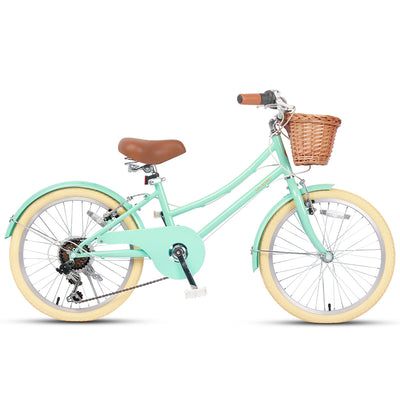


Table of Contents
A 26-inch bike often fits older kids, teens, and adults roughly 4 feet 11 inches to 6 feet tall, but that range is only a starting point. The number 26 describes the wheel size, not the frame, so the rider’s inseam, reach, and the manufacturer’s size chart must confirm the fit.
What Does 26-Inch Mean?
The label can be misleading because it does not describe every part of the bicycle. Knowing what the measurement represents makes it easier to compare different models.
Wheel Size vs Frame Size
A 26-inch bike has wheels with a nominal diameter of approximately 26 inches. It does not necessarily have a 26-inch frame, nor does the number provide a universal rider-height range.
Frame size affects the distance between the saddle, pedals, and handlebars. Wheel size influences handling and how the bike rolls over pavement, cracks, and trail obstacles. Both measurements matter, but frame dimensions have a greater effect on whether the rider feels stretched out or cramped.
This is why two bikes with 26-inch wheels may fit differently. A youth mountain bike, an adult cruiser, and a BMX bike can use the same general wheel size while having very different frame proportions.
Why Frame Geometry Matters
Geometry describes the angles and dimensions that shape the riding position. A low-step cruiser may make mounting easier, while a mountain bike often provides more standover clearance and a longer reach.
Adjustable components can refine a good fit, but they cannot correct a frame that is fundamentally too large or too small. Raising the saddle does not lengthen a cramped frame, and lowering it does not make distant handlebars easier to reach.
Who Can Ride a 26-Inch Bike?

A 26 inch bike can work for several rider groups. Height provides the first clue, but riding experience, body proportions, and bike style determine whether a particular model is suitable.
Older Kids and Teens
Many older kids and teens move to 26-inch wheels after outgrowing a 24-inch bike. The change makes sense when the rider can comfortably straddle the frame, reach the handlebars without leaning too far forward, and operate both brake levers with confidence.
Age alone does not determine the right size. Two 12-year-olds may have different inseams, arm lengths, and riding abilities, so parents should compare the rider’s measurements with the chart for the exact model instead of sizing up only for future growth.
A bike offered in both wheel sizes can make that decision easier. For relaxed neighborhood rides and family outings, the GLERC Missy comes in a 24-inch version for riders approximately 51 to 65 inches tall and a 26-inch version for riders approximately 59 to 72 inches tall. Its adjustable saddle and handlebars help fine-tune the riding position, while six-speed Shimano gearing makes gentle slopes more manageable. The wicker basket provides convenient space for a water bottle, light jacket, or other everyday essentials.
Shorter Adults
A 26-inch bike can be a comfortable option for shorter adults, especially when the frame makes mounting and stopping easy. Wheel size helps shape the handling, but the frame still needs to provide enough room for comfortable pedaling and a natural reach to the handlebars.
For riders who want this combination for errands and casual city rides, the AVASTA Vela is a practical match. Its 26-inch frame is designed for riders approximately 59 to 71 inches tall, while the low-step design makes getting on and off less demanding. Swept-back handlebars support an upright position, and the six-speed Shimano drivetrain helps with flat streets and gentle climbs. Dual V-brakes, full fenders, and a rear rack complete a useful setup for bike paths, grocery runs, and short commutes.

Average and Taller Adults
Average-height adults may also fit a 26-inch bike when the frame is designed for them. Taller riders should pay close attention to saddle extension, handlebar reach, and knee clearance rather than rejecting or choosing the bike based only on its wheels.
A rider around 6 feet tall may fit some 26-inch cruisers or BMX bikes but feel cramped on a youth frame with the same wheels. For mountain biking, taller riders may prefer 27.5- or 29-inch wheels because those bikes are commonly available with longer adult frames and roll more smoothly over obstacles. However, the correct mountain bike size still depends on the model’s geometry.
24-Inch vs 26-Inch Bikes
When people search “24 inch bike for what size person,” they are often trying to decide whether a smaller bike will provide better control or whether a 26-inch model will offer more room. The following ranges are general starting points, not substitutes for a model-specific chart.
|
Wheel Size |
Common Starting Height Range |
Typical Riders |
Ride Feel |
Important Fit Note |
|
24 inches |
About 4'2" to 5'4" |
Older kids, teens, and some shorter adults |
Compact and easy to maneuver |
Adult riders need an adult-friendly frame and sufficient seat adjustment |
|
26 inches |
About 4'10" to 6'0" |
Teens and adults |
Responsive with more room than most 24-inch bikes |
Frame geometry may greatly narrow or expand the range |
|
27.5 or 29 inches |
Determined mainly by frame size |
Teens and adults |
Stable with easier rollover |
Choose the frame size first rather than relying on wheel diameter |
The ranges overlap because wheel size does not determine the complete fit. A person near the boundary should compare inseam, standover height, reach, and the manufacturer’s recommendation.
When a 24-Inch Bike Fits Better
A 24 inch bike may be the better choice when a 26-inch model feels difficult to mount, steer, or stop. It can provide a shorter reach and lower overall riding position for an older child or shorter rider.
However, not every 24-inch bike is designed for adults. Youth models may have shorter cranks, narrower handlebars, lower weight limits, and compact frames. Check the complete specifications rather than assuming that the smaller wheels alone will create a good fit.
When a 26-Inch Bike Fits Better
A 26-inch bike often gives teens and adults more room while remaining easy to handle on neighborhood streets and city routes.
The GLERC Prism makes sizing easier because it comes with 24- and 26-inch wheels. The 24-inch model fits riders approximately 55 to 63 inches tall, while the 26-inch version fits riders from 60 to 71 inches. Its lightweight aluminum frame, seven-speed Shimano drivetrain, dual hand brakes, and rear rack create a practical setup for school, errands, and paved rides.
Riders within the overlapping range should choose the size that provides the most comfortable reach and control.
When to Consider Larger Wheels
Larger wheels may suit taller riders or people who regularly ride rough trails. A 27.5- or 29-inch mountain bike can roll over roots and rocks more easily, although wheel size should still be matched with the correct frame.
For paved roads, wheel diameter is only one factor. A properly fitted 26-inch city bike can be more comfortable than a poorly fitted bike with larger wheels.
How to Check if a 26 Inch Bike Fits You
The best way to answer “26-inch bike for what size person” is to check the rider and the exact bike together. Four simple checks reveal more than age or wheel size alone.
Measure Height and Inseam
To choose the right kids bike sizes, measure total height without shoes while standing against a wall. To measure inseam, place a hardcover book between the legs and raise it firmly to simulate the saddle. Measure from the top of the book to the floor.
Compare both measurements with the manufacturer’s chart. If only age or wheel size is provided, request more detailed fit information before ordering.
Check Standover Clearance
Stand over the top tube with both feet on the ground. The rider should be able to hold the bike upright without the frame pressing uncomfortably against the body.
Required clearance varies by bike type. A cruiser with a low-step frame may offer generous access, while a mountain bike generally needs additional room for movement on uneven terrain.
Adjust the Saddle Height
At the bottom of the pedal stroke, the knee should retain a slight bend. If the knee remains sharply bent with the saddle near its upper limit, the bike may be too small.
If the rider must rock the hips or point the toes to reach the bottom of the stroke, the saddle is too high or the bike may be too large. Never raise the seatpost beyond its minimum-insertion mark.
Test Reach and Brake Control
The rider should reach the handlebars with relaxed shoulders and slightly bent elbows. Hands should remain securely on the grips while operating the brake levers.
Test starting, turning, and stopping in a quiet area. A rider who struggles to steer at low speed or cannot apply the brakes firmly may need a different frame or control setup.
Signs a 26-Inch Bike Does Not Fit
A short test ride can expose problems that a basic height chart may miss. Watch for these warning signs:
- The rider’s knees come close to the handlebars or feel cramped while pedaling.
- The rider has to stretch or slide forward to reach the grips and brakes.
- The hips rock from side to side at the bottom of each pedal stroke.
- The rider cannot safely straddle the frame or start and stop with control.
- The handlebars feel too low or too far away after normal adjustments.
- The saddle must be positioned outside its safe adjustment range.
- The front wheel feels difficult to steer at low speed.
- The rider cannot squeeze the brake levers without moving the hands off the grips.
Do not buy an oversized bike solely for future growth. A bike that fits now is easier to control and more likely to be ridden regularly.
Conclusion
A 26-inch bike commonly fits older kids, teens, and adults from approximately 4 feet 11 inches to 6 feet tall, but wheel size alone cannot confirm the fit. Measure height and inseam, check the model’s sizing chart, and test standover clearance, reach, and braking. When comparing 24- and 26-inch bikes, choose the model that gives the rider safe control today rather than the one with the most growing room.
FAQ
Are 26 inch bikes for adults?
Yes. Many cruisers, city bikes, mountain bikes, and BMX bikes use 26-inch wheels and are designed for adults. Other 26-inch models use youth-oriented frames, so check the recommended rider height and frame dimensions before buying.
Can a 6-foot person ride a 26-inch bike?
A 6-foot rider may fit a 26-inch bike if it has a properly sized adult frame. The rider should check saddle extension, handlebar reach, knee clearance, and overall posture. Some taller riders may feel more comfortable on a larger frame with 27.5-, 29-inch, or 700c wheels.
Is a 26-inch bike too big for a 12-year-old?
Not necessarily. A 26-inch bike may fit a tall or experienced 12-year-old, but height and inseam matter more than age. The child should be able to straddle the frame, reach the controls, and stop without losing balance.
What size person is a good fit for a 26 inch bike?
Many traditional 26-inch bikes fit riders around 4 feet 11 inches to 6 feet tall. However, the recommended range varies considerably between youth bikes, cruisers, mountain bikes, and BMX models. Always use the exact model’s size chart.
What Size Person Fits a 24-Inch Wheel Bike?
A 24-inch wheel bike commonly fits older children and shorter riders around 4 feet 2 inches to 5 feet 4 inches, depending on the frame. When asking “24 inch wheel bike for what size person,” check whether the model uses youth or adult geometry. A 24-inch youth bike may feel cramped for an adult even when the wheel size appears suitable.


GLERC creates stylish, durable kids bikes designed to help families ride together with confidence. From sizing guidance to assembly support, our team shares practical advice to make every ride safer and more fun.