Skip to content


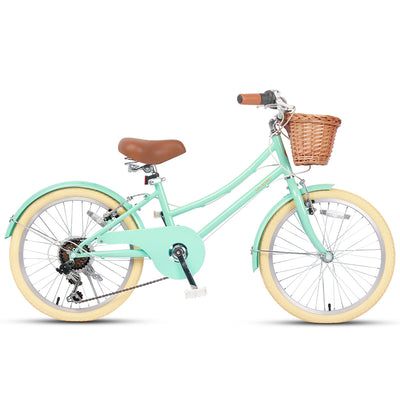


Table of Contents
The best hybrid bikes balance comfort, control, and everyday usefulness. The right model should fit your body, suit your usual route, and carry what you need without adding unnecessary features. This guide explains what matters and compares three GLERC options for teens, adults, commuters, and families.
What Is a Hybrid Bike?
 A hybrid bike combines practical elements from road, mountain, comfort, and cruiser bikes. Most models have easy-to-control handlebars, a relatively upright position, multiple gears, and tires suited to pavement or light mixed surfaces.
However, “hybrid” covers a wide range of designs. A fitness hybrid may feel light and quick, while a hybrid cruiser puts more emphasis on easy mounting, comfort, and cargo space. This flexibility makes hybrid bikes useful for neighborhood streets, greenways, campus trips, short commutes, and casual exercise.
What Makes a Good Hybrid Bike?
A best-rated hybrid bike can still be the wrong choice if it does not fit or match the rider’s route. Review counts may help, but the following features have a greater effect on everyday satisfaction.
A Comfortable Riding Position
Comfort begins with fit, not saddle thickness. The handlebars should be close enough to keep the elbows slightly bent, and the saddle should support efficient leg extension without making the rider stretch for the pedals.
An upright position can reduce pressure on the hands and make traffic easier to see. A low-step frame also simplifies mounting and stopping, especially when carrying a bag or dealing with limited hip mobility.
Efficient Everyday Tires
Moderately narrow tires roll smoothly on paved streets, while wider tires provide more cushioning on cracked pavement and packed gravel. Neither option is automatically better.
Heavy knobby tires may feel slow during a city commute. Very narrow tires can feel harsh on potholes and rough bike paths. Choose tires for the surfaces that make up most of your weekly miles.
Useful Gears and Brakes
Multiple gears help riders adjust their pedaling effort for starts, hills, and changing speeds. Six speeds can be enough for flat neighborhoods and gentle slopes. Long or steep climbs may require a wider range with an easier low gear.
Brake levers should be reachable without moving the hands away from the grips. With rim brakes, regular pad alignment and clean wheel rims help maintain consistent stopping control.
Practical Cargo Features
A basket works well for a purse, drink, or small bag. A rear rack is usually better for groceries, panniers, or a work bag because it keeps heavier cargo away from the handlebars.
Fenders are also useful in rainy cities such as Seattle and Portland. These features add some weight, but they often make a bicycle more useful. The goal is not simply to find the lightest bike. It is to find one that supports your routine.
Best Hybrid Bikes for Different Riders
Our current hybrid bikes includes options for growing riders, comfort-focused adults, and people who use a bike for everyday transportation. Each model favors relaxed riding, but its fit range and equipment create a different experience.
GLERC Missy for Teens and Families
 If one bike style needs to cover different ages, the GLERC Missy offers unusual flexibility. It comes with 20, 24, and 26-inch wheels. The 20-inch version fits riders from 46 to 59 inches tall, the 24-inch fits 51 to 65 inches, and the 26-inch fits 59 to 72 inches.
A six-speed Shimano drivetrain helps riders manage neighborhood slopes without making the controls complicated. The adjustable handlebars and quick-release saddle make it easier to refine the fit as riding needs change.
The included wicker basket gives Missy its classic look while providing space for snacks, books, or a small bag. Selected versions also include a rear rack. It is a charming choice for family outings, paved park paths, and relaxed neighborhood trips. Because it uses a geared drivetrain, Missy is not compatible with training wheels.
AVASTA Astrid for Comfortable City Rides

When comfort is the main priority, the AVASTA Astrid offers a relaxed alternative to a more aggressive fitness bike. Its low-step steel frame makes mounting easier, while swept-back handlebars and a spring saddle support an upright position.
Astrid combines a six-speed Shimano drivetrain with 26 x 1.5-inch tires and dual alloy V-brakes. The result is a simple setup for bike lanes, neighborhood streets, and paved park paths.
Full fenders help control road spray, and the rear rack can carry up to 25 pounds. Depending on the selected version, riders can add a front basket or light. That ready-to-ride equipment makes Astrid appealing for coffee runs, casual exercise, and comfortable trips around town.
AVASTA Vela for Errands and Commuting

For riders who usually leave home with a destination, the AVASTA Vela provides a practical city setup. Its 26-inch frame fits riders approximately 59 to 72 inches tall and weighs about 33.4 pounds.
Vela includes six-speed Shimano gearing, dual alloy V-brakes, full fenders, and a rear rack. Buyers can choose a basket version for carrying small items or a light version for added visibility during early or late rides.
Astrid and Vela share many components, so neither has a large mechanical advantage over the other. Fit, color, accessory configuration, and personal style may be the most useful deciding factors.
Compare Product Specifications
Specifications make it easier to narrow the options, but fit and intended use should remain the final test. Check the selected product version before ordering because available colors and equipment may change.
|
Model |
Rider Fit |
Wheel Size |
Drivetrain |
Cargo Setup |
Ideal Use |
|
GLERC Missy |
46–72 inches, depending on size |
20, 24, or 26 inches |
6-speed Shimano |
Wicker basket; optional rear rack |
Family and neighborhood rides |
|
AVASTA Astrid |
About 59–72 inches |
26 inches |
6-speed Shimano |
Rear rack; basket or light option |
Comfortable city riding |
|
AVASTA Vela |
About 59–72 inches |
26 inches |
6-speed Shimano |
Rear rack; basket or light option |
Errands and short commutes |
How to Choose the Right Hybrid Bike
Many nice hybrid bikes look attractive online, but appearance cannot confirm fit or ride quality. Use your route, body measurements, storage situation, and cargo needs to make the final choice.
Match the Bike to Your Route
Choose for the surface you ride most often. A rigid hybrid with moderately narrow tires works well on city streets and paved bike paths. Wider tires can add comfort on broken pavement or firm gravel.
Consider elevation as well. Six speeds may cover a mostly flat neighborhood, but riders facing long climbs should look closely at the lowest available gear.
Check the Size and Frame
Begin with the listed height range, then consider inseam, saddle adjustment, standover clearance, and handlebar reach. The rider should be able to start, steer, and stop without stretching or feeling crowded.
Avoid buying an oversized bike for a teen simply to allow room for growth. A frame that is too large can make low-speed control and stopping more difficult.
Consider Weight and Storage
Weight matters when carrying a bike upstairs, loading it onto a vehicle rack, or moving through a small apartment. Steel frames and cargo accessories add pounds, but they may also provide everyday durability and function.
Measure the storage area before buying. Include the handlebar width and front basket rather than checking only the frame length.
Plan for Accessories and Maintenance
Decide which accessories are necessary before comparing prices. Purchasing a basket, rack, fenders, lights, and kickstand separately can increase the final cost.
After assembly, follow these bicycle maintenance basics: check tire pressure, brake response, handlebar alignment, wheel security, and shifting. Clean and lubricate the chain regularly. If the setup feels uncertain, ask a qualified bike shop to inspect it before the first full ride.
FAQ
The following questions address common concerns riders have before choosing a hybrid bike.
Are Hybrid Bikes Good for Beginners?
Yes. Their stable handling, familiar handlebars, and relatively upright position can make hybrid bikes approachable. Beginners still need the correct frame size and brake levers they can reach easily.
Are Hybrid Bikes Good for Commuting?
Hybrid bikes work well for short and moderate commutes on streets and bike paths. Fenders, lights, racks, useful gears, and comfortable tires make them more practical for repeated trips.
Can a Hybrid Bike Handle Hills?
A hybrid can handle hills when its gearing matches the route. Six speeds may be enough for gentle slopes, while steep or extended climbs usually require a wider gear range.
Can a Hybrid Bike Ride on Gravel?
Many hybrid bikes can handle packed dirt and firm light gravel. City-focused models should not be used for loose rocks, large roots, jumps, or technical mountain-bike trails.
Is a Hybrid Bike Better Than a Cruiser?
A traditional hybrid emphasizes efficiency and versatility. A cruiser favors upright comfort and a relaxed pace. A hybrid cruiser combines multiple gears and practical accessories with a comfortable cruiser-style position.
Conclusion
The best hybrid bikes are the ones riders look forward to using. Match the frame to your body, choose gears and tires for your regular route, and prioritize accessories that support your plans. A well-matched hybrid can make commuting, errands, exercise, and family rides feel simpler from the first mile.


GLERC creates stylish, durable kids bikes designed to help families ride together with confidence. From sizing guidance to assembly support, our team shares practical advice to make every ride safer and more fun.