Skip to content


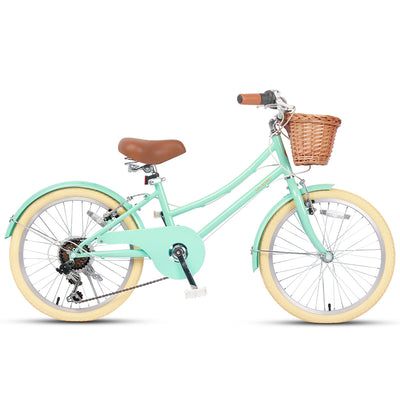


Table of Contents
The best hybrid bike for women is not always the model with the highest specs or the largest wheels. It is the bike that fits well, feels easy to control, and matches the routes you ride most often. For commuting, shopping, fitness, and weekend rides, most women need a comfortable riding position, practical gears, reliable brakes, and a frame size that suits their height.
This guide will help you understand what is the best hybrid bike for women by looking at bike features, real riding situations, and buying steps. It will also help you avoid common problems such as choosing the wrong size, buying a bike that is too heavy, or paying for features you may not need.
What Is a Hybrid Bike and Why Choose One?

A hybrid bike combines the smoother performance of a road bike with the stable flat handlebars of a mountain bike. Our broader hybrid bike buying guide explains how these bikes compare across commuting, casual riding, and light trails. It is usually suitable for city streets, bike paths, parks, and well-maintained gravel roads. However, it is not designed for racing at high speeds or technical mountain trails.
The real advantage of a hybrid bike is not that it does everything perfectly, but that it provides a practical balance for different daily needs. You can ride it to work, school, or stores during the week, then use it for weekend rides of several miles on parks and greenways.
When choosing hybrid bikes for women, do not focus only on whether the product name includes the word women. A women-specific label does not automatically mean a better fit. What matters more is the standover height, reach to the handlebars, brake lever distance, saddle support, and how easily you can get on and off the bike. Some women have smaller hands, and if the brake levers are too far away, emergency braking can still feel difficult even when the frame size is correct.
For many riders, confidence and safety matter more than speed. Cycling surveys show that protected bike lanes, proper lighting, and distance from motor vehicles are important factors that influence whether women feel comfortable riding regularly. Before buying a bike, it is important to consider not only the bike itself but also the routes you actually ride every day.
Key Features to Look for in Hybrid Bikes for Women
Whether a bike is suitable for long-term use often depends on a few details that are easy to overlook. Instead of chasing more gears or advanced features, it is better to first consider whether the bike weight, riding position, tires, and brakes match your body and riding routes.
|
What to Check |
Questions to Ask Before Buying |
Better For |
|
Frame Weight |
Do you need to carry the bike upstairs or place it in a car? |
Apartment living and public transportation connections |
|
Frame Design |
Is it easy to get on and off while wearing everyday clothes? |
Commuting, shopping, and frequent stops |
|
Handlebar Position |
Does your neck and shoulders stay relaxed while riding? |
Daily commuting and casual rides |
|
Gear Range |
Are there hills or slopes on your usual routes? |
Rolling city roads and longer weekend rides |
|
Tire Width |
Do your routes include cracks, gravel, or wet surfaces? |
City streets and park paths |
|
Rack and Basket |
Do you need to carry a laptop, groceries, or personal items? |
Work, errands, and short trips |
Lightweight Frame for Better Control

The value of a lightweight bike is not only about riding faster. For riders who need to carry a bike up stairs, move it into an elevator, or place it in a car trunk, weight directly affects how often the bike gets used. A bike that feels great while riding but is difficult to carry may end up being used only occasionally on weekends.
However, low weight is not the only factor to consider. Steel frames are often heavier than some aluminum frames, but they can also provide a stable and solid riding feel. Riders should evaluate weight based on their actual routines and routes. If the bike is stored in a garage and mainly used on flat neighborhood streets or park paths, a little extra weight may not be a problem. But if you need to carry the bike up three flights of stairs every day, even a few pounds can make a noticeable difference.
Comfortable Riding Position for Daily Use
A softer saddle does not always mean a more comfortable ride. What really determines how long you can ride is whether the frame size, saddle height, fore-and-aft position, and handlebar reach add up to a natural posture.
Set the saddle too low and your knees stay bent, so pedaling feels like more work. Set it too high and your hips can rock side to side, which also makes stopping feel less steady. Handlebars that sit too low or too far away push more pressure into your shoulders, neck, and wrists. Raise the bars and you lean forward less. Stay hunched over for miles and your back, shoulders, and neck will let you know.
If you mostly ride to commute, grab groceries, or just cruise, a more upright position usually makes the most sense. You see further down the road, and it is easier to spot crossings, people on foot, and cars parked along the curb.
The Glerc Astrid is a 26-inch hybrid cruiser built around a relaxed ride. It has a low-step steel frame, swept-back handlebars, and a sprung saddle, all meant to keep you sitting easy. The parts are practical too: a 6-speed SHIMANO drivetrain, dual alloy V-brakes, and 26 by 1.5 inch tires. Per the official sizing guide, it fits riders from 59 to 72 inches tall, about 150 to 183 cm.
Tires, Brakes and Gears for Different Roads
Tires determine how a bike feels when it connects with the ground. Narrow tires can roll faster on smooth roads, but they may feel harsher on cracks, gravel, and wet surfaces. Wider tires provide more air volume, which usually creates a more comfortable ride on everyday city streets and hard-packed paths. For riders who want a bike that works well on both paved roads and light off-road routes, 32 mm can be used as a general reference point for comfort and puncture protection. However, the actual tire choice should also consider the clearance available in the frame and whether there is enough space for fenders.
When it comes to brakes, the most important factor is not the brake type name, but whether the rider can easily reach and control them. Before buying, make sure your fingers do not need to stretch too far and that the brake levers do not feel too stiff when pulled. Riders who frequently ride in wet conditions, on long downhill sections, or on busy roads may want to prioritize stronger wet-weather braking performance. For slower rides on flat neighborhood streets, properly adjusted V-brakes are often enough for daily use.
The number of gears is also not always better. Flat routes and short shopping trips may only require a few gears, while hills, headwinds, or longer commutes benefit from a wider gear range. Lower gears can reduce pressure on your knees and legs, making longer rides feel easier.
Best Hybrid Bike Types for Different Women Riders
There is no single best hybrid bike for women that works for everyone. A more effective way to choose is to first consider riding frequency, route distance, and road conditions, then compare the bike’s design, appearance, and additional features.
Hybrid Bikes for Commuting and City Rides
City commuter bikes should focus on stability, carrying capacity, and low maintenance rather than maximum speed. Riders often need to stop frequently, cross intersections, avoid pedestrians, and carry items such as laptops, lunch bags, jackets, or groceries. That is why frame design, brake control, and storage options are all important.
Features that work well for city commuting usually include:
- A low-step frame or lower top tube design for easier mounting and dismounting.
- A practical gear system that handles gentle hills and frequent stops.
- Fenders, lights, reflectors, and a reliable kickstand for everyday riding.
- Mounting points for a rear rack or basket to carry personal items.
- Brakes that are easy to control on wet roads and busy streets.
Hybrid Bikes for Fitness and Weekend Cycling
Bikes used for fitness and weekend rides should place more focus on pedaling efficiency, gear range, and comfort during longer rides than a typical shopping or casual bike. As riding distance increases, differences in saddle position, handlebar reach, and tire rolling resistance become more noticeable.
If your routes mainly include flat bike paths and paved roads, you can choose medium-width tires that offer smoother rolling performance. If you often ride on riverside paths, park gravel trails, or rural roads, it is better to prioritize wider tires, a more stable frame, and enough low gears for climbing.
Riders in this category should also check whether the frame has mounting points for a water bottle cage, fenders, and a rear rack. Planning to ride only ten miles today does not mean you will not start taking longer weekend rides six months later. A bike that allows you to gradually add accessories is often more practical than one that comes with unnecessary features from the beginning.
Hybrid Bikes for Beginners and Casual Riders
For beginners, the most comfortable riding experience is not about going faster. It is about feeling confident and in control. The handlebars should not feel too sensitive or make the bike wobble with a small movement. The riding position should allow you to see the road ahead clearly. When stopping, you should be able to place your feet down quickly and feel stable.
If you are shorter, have not ridden for a long time, or still feel unsure when getting on and off a bike, a 24-inch or smaller wheel size is often easier to handle than a standard larger wheel bike.
Take the Glerc Missy as an example. It is available in 20, 24, and 26-inch wheel sizes. The 24-inch model is designed for riders around 51 to 65 inches tall (about 130 to 165 cm), while the 26-inch model fits riders around 59 to 72 inches tall (about 150 to 183 cm). It features a 6-speed SHIMANO drivetrain, front and rear hand brakes, adjustable saddle and handlebars, a semi-enclosed chain guard, reflectors, and a front basket.
Simply put, it is designed for neighborhood rides, short commutes, and relaxed everyday cycling. If your goal is high-speed riding or technical off-road trails, this type of bike is not its main strength.

How to Find the Right Hybrid Bike for Your Lifestyle
After narrowing down your bike options, the final step is not to keep comparing specifications. It is to consider how the bike fits into your daily life. Your routes, storage space, clothing habits, and carrying needs often have a greater impact on whether you will actually use the bike regularly than the number of features listed on a product page.
Choose the Right Bike for Your Daily Routes
Start by marking the three routes you ride most often on a map, such as your commute to work, trips to the grocery store, and weekend park rides. Record the distance, elevation changes, road conditions, and number of stops for each route. Then choose a bike that can handle most of these situations.
You can evaluate your needs in this order:
- If your main routes are flat and under five miles, prioritize a comfortable riding position and a simple gear system.
- If you ride on continuous hills, make sure the bike has low enough gears for easier climbing.
- If your routes include gravel or rough pavement, choose wider tires for better stability and comfort.
- If you plan to ride at night, prepare front lights, rear lights, and reflective accessories in advance.
- If you need to carry items, make sure the basket or rear rack does not affect steering or braking.
This step helps avoid a common mistake: buying a bike with a more aggressive, performance-focused design for occasional long rides while sacrificing the comfort needed for daily commuting and short trips.
Decide Between Comfort and Performance
Comfort and efficiency are not completely opposite, but riders usually need to decide which one matters more. A more upright riding position provides better visibility and reduces pressure on the wrists and neck, making it suitable for city riding and casual cycling. A more forward-leaning position can reduce wind resistance and works better for faster rides and longer distances on paved roads.
Consumers can use a simple rule to decide: if most rides are done in everyday clothing, with frequent stops, shopping trips, or rides with family, comfort and stability should come before speed. If you plan to regularly ride more than 20 miles for fitness, you should pay more attention to pedaling efficiency, bike weight, and having multiple hand positions.
Do not lower the saddle too much just to feel safer. It may make it easier to place both feet on the ground in the short term, but it can increase knee strain during longer rides. A better approach is to choose a frame with the right standover height, then make small adjustments to the saddle and handlebars for a proper fit.
Consider Long Term Use and Maintenance
The purchase price is only one part of the total cost of ownership. Tires, inner tubes, brake pads, chains, and shift cables are all normal wear items. Choosing a bike with common parts, a simple design, and easy-to-find replacements can make long-term ownership much easier.
Before each longer ride, complete a basic inspection:
- Check whether the tires are inflated to the recommended pressure shown on the sidewall.
- Make sure the front and rear brakes respond clearly.
- Check that the chain is clean and has the right amount of lubrication.
- Confirm that shifting is smooth without obvious gear skipping.
- Check whether the wheels, handlebars, and saddle are secure.
Regularly inspecting the tires, brakes, and drivetrain can reduce unexpected issues during rides and help the bike maintain stable handling over time.
Conclusion
The best hybrid bike for women is the one you will actually ride often, can control comfortably, and fits your everyday routes. Start by making sure the frame size matches your height, then compare the riding position, bike weight, gears, brakes, and carrying options. This approach usually makes it easier to find a bike you will enjoy using long term than simply choosing more gears or larger wheels.
FAQ
What is the best hybrid bike for women?
There is no single best model for every woman. For commuting and shopping, the right bike should provide a comfortable riding position, reliable brakes, practical gears, and enough carrying capacity. For fitness rides and longer weekend trips, focus more on frame weight, tire efficiency, and gear range.
The final choice should come down to one thing: the bike fits your body and can handle the routes you ride most often.
Are hybrid bikes for women different from regular bikes?
Some women-specific bike models use features such as a lower standover height, shorter reach to the handlebars, narrower handlebars, or differently shaped saddles. However, these designs are not the right fit for every woman.
Riders do not need to be limited by gender labels when choosing a bike. The most important factors are whether the standover height, reach distance, brake lever position, and saddle design match their own body proportions.
What size hybrid bike should a woman buy?
Riders considering a standard adult wheel size can also compare Glerc’s 26-inch bikes by rider height, frame style, and intended use. During a test ride, make sure you can naturally reach the handlebars, easily operate the brakes, keep a slight bend in your knees when the pedal reaches the lowest position, and support yourself steadily when stopping.


GLERC creates stylish, durable kids bikes designed to help families ride together with confidence. From sizing guidance to assembly support, our team shares practical advice to make every ride safer and more fun.